
IMPACT REPORT 2025–26
Living in
Balance,
Deepening
Relations


Spirit North respectfully acknowledges that our organization’s work and programs take place on the traditional territories of modern and historic treaty territories and unceded lands of many diverse First Nations, Métis and Inuit cultures and communities. We are continuously learning ways to honour these lands and the rich and complex stories of Indigenous peoples whose territory we reside on or are visiting. We are thankful for the many generations who have lived on and continue to care for these lands.
LAND ACKNOWLEDGEMENT

the vision
All Indigenous youth experience the joy of sport and play
Spirit North imagines a future where all Indigenous youth live active, healthy lives, celebrate their culture and identities, strengthen their communities, and pursue their dreams.

THE MISSION
We co-create sport and play opportunities for Indigenous youth centered on the land and in community
Programs are co‑created with communities and schools, emphasizing cultural context, outdoor and land-based activities, and opportunities for leadership development within their communities.
INTRODUCTION
This year, Spirit North turned inward before looking outward. One of the results of which is our new Strategic Framework, shaped through many conversations with youth, community leaders, Elders, educators, team members, funders, donors, and board members whose voices reaffirmed what has always been true: youth remain at the heart of our work.
From those conversations, four themes emerged: Identity, Impact, Consistency, and Sustainability. These are woven together through our overarching approach: living in balance. Many Nations recognize the number four as sacred, reflecting the four directions and seasons and a shared understanding of balance, harmony, and interconnection. Demonstrating our vision, for example, must be held in balance with centering community values and cultural practice. This is the spirit 2025–26 exemplified: a year of deep listening, planning, and deepening our roots in the communities who've welcomed us.
Spirit North is becoming more focused, in both reach and relationships. What began as a small network of community partnerships has expanded into a national movement connecting thousands of Indigenous youth to the joy of sport, play, and the land. Guided by co-creation with communities, our programs now reflect deeper relationships built on respect, reciprocity, and shared purpose.
DEEPENING OUR ROOTS
Spirit North’s whole team turned our attention toward listening in 2025-26; gathering input from community members, partners, Elders, and staff to help shape where we go next.
We're grateful for every conversation that shaped this work. The plans that came out of this year reflect voices from across the communities we're privileged to work alongside, and they are grounded in the priorities named in our new Strategic Framework: Youth, Communities, The Land, Our Team, and Partners and Allies. Together, these priorities hold relationships at the centre of everything we plan.
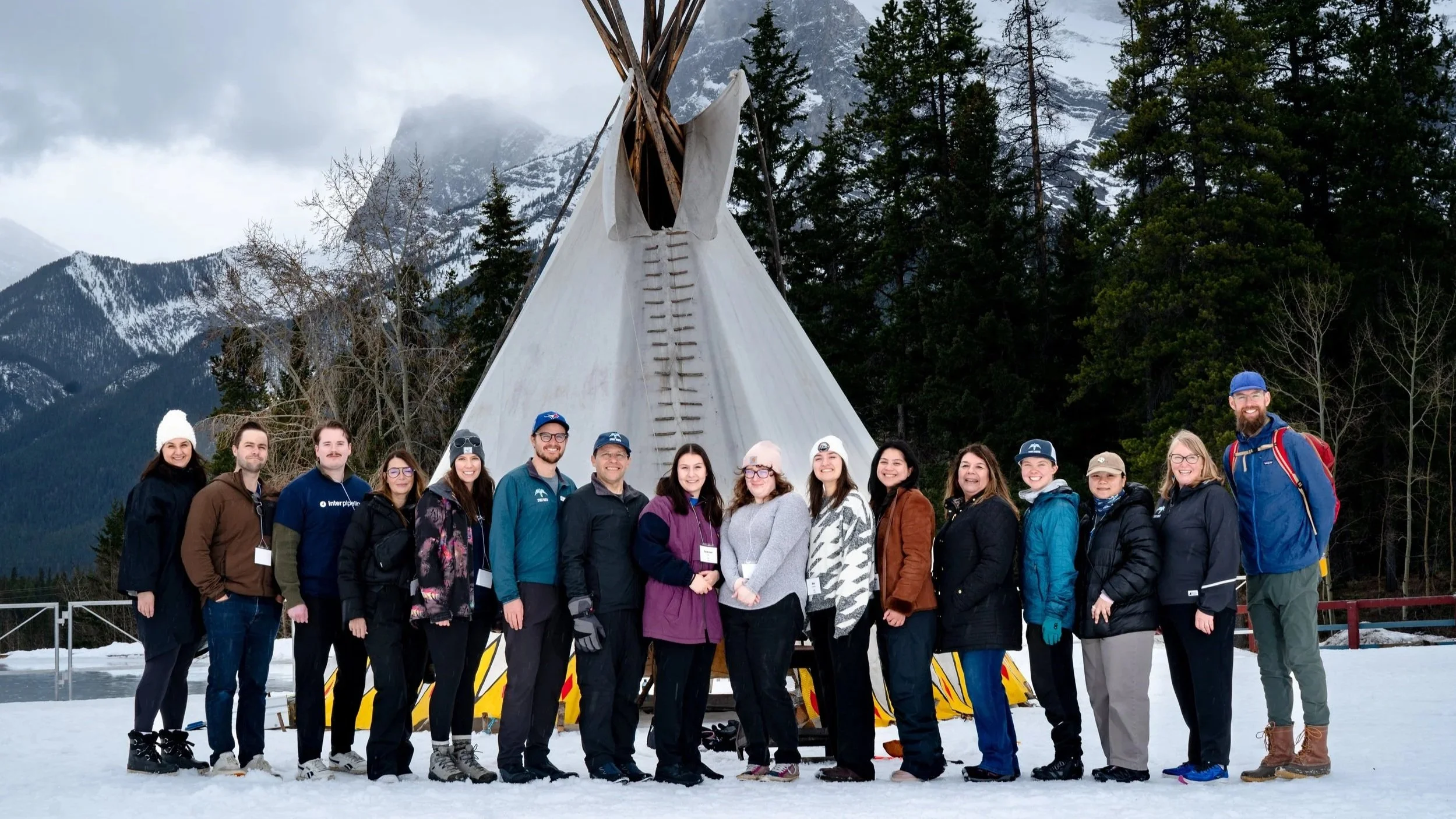
Get to know the Spirit North team (board and staff)
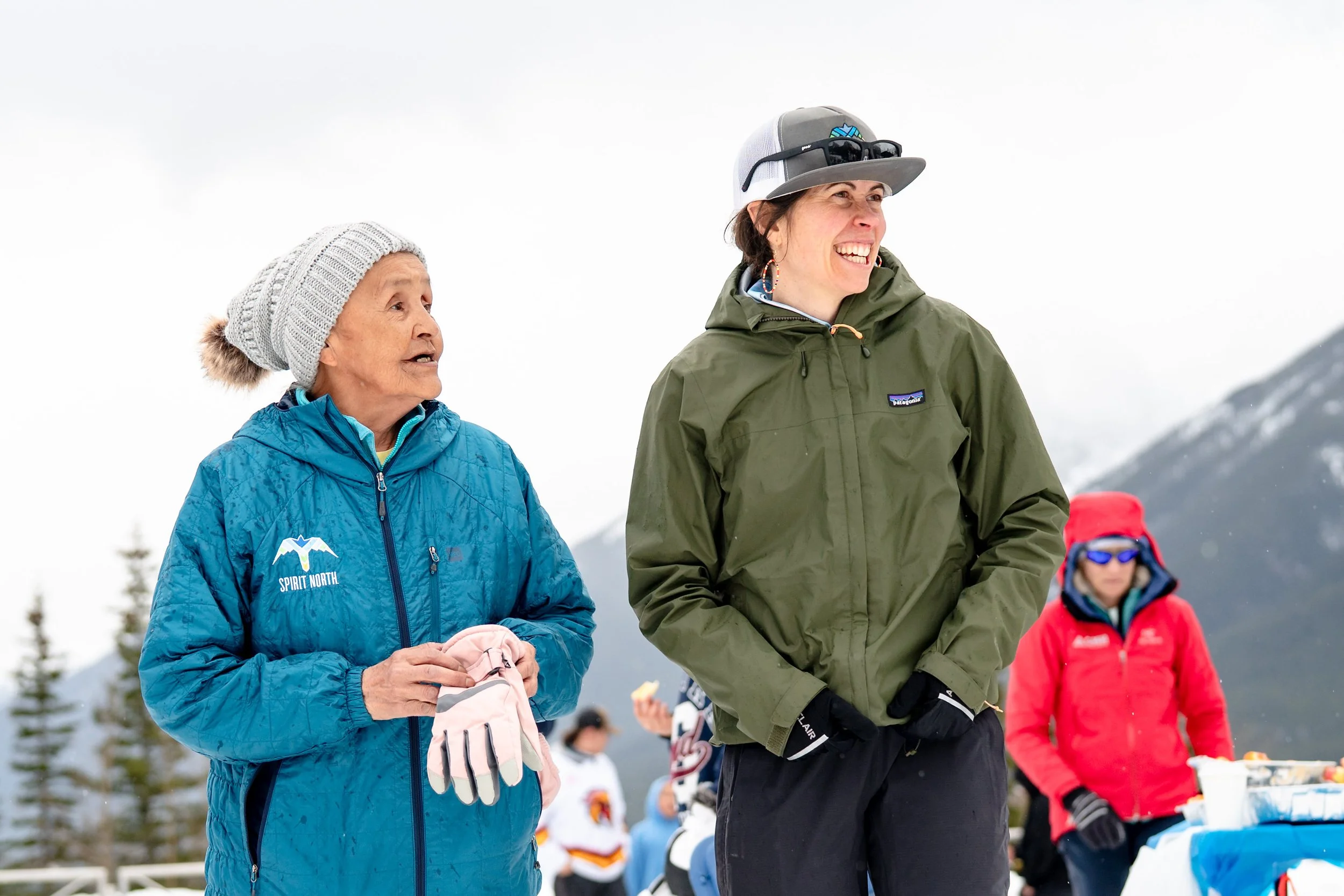
COMMUNITY LEADER PROFILES
Relationships built on respect, reciprocity, and responsibility are at the heart of our work at Spirit North. Click on the images for highlights of just a few of the many educators, knowledge holders, youth, and changemakers with whom we have the privilege of collaborating to create safe, land-based spaces where thousands of youth experience the joy of sport and play.
A Day in the Life on Skis
with Community Program Leader
Annika Olesen
Lorem ipsum dolor sit amet, consectetur adipiscing elit. Sed do eiusmod tempor incididunt ut labore et dolore magna aliqua.
GEAR UP
8:00AM
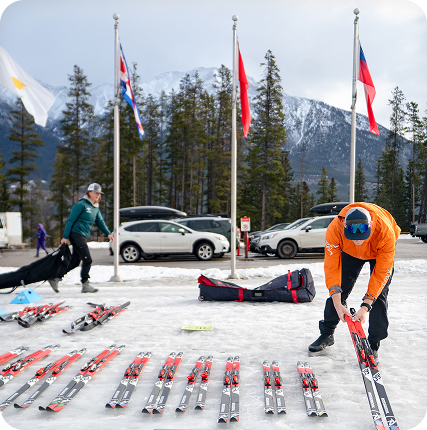
I’m bundled up and out the door. Inside, the morning's real work starts before a single student arrives: mittens that dried overnight need sorting and pairing, there are snowpants that need to be folded, skis organized by size, water bottles filled, backpacks restocked with warm layers. O Canada and the morning prayer play over the loudspeaker.
LUNCH & REGROUP
BETWEEN CLASSES
Time is constantly on our minds as we calculate how to get the most out of the snow without cutting it too close for the next group. Back at the school, it's time for a loud, frosty group changeover — one class delayering, the next suiting up — with barely a moment for a sip of tea from the thermos before it starts again.
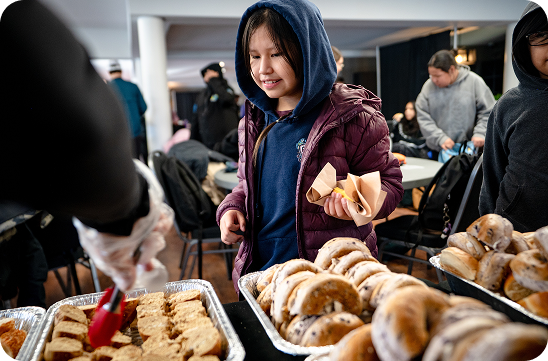
Lunch. Ski pants stay on. A seat opens up at a table full of questions: “What is that in the lunch bag, and could a person maybe try the chocolate chips?” (Trail mix rarely survives lunch intact.)
RISE & PLAN
6:45AM
The alarm goes off in an ATCO trailer, a spare room in the teacher's housing, or a modular home that's more empty than furnished. My home base changes with every school, and this week it's on-reserve housing a short walk from where the day will happen. Now coffee, a few lines in a journal, a check of the weather. Then a quick chat with the co-leader about the day's plan for where the ski trails will run, what the snow's doing, which classes are up first.

ALONE SKI & WIND DOWN
4:45pm
The formal day winds down, but I head out for one more ski, alone this time: a chance for quiet before dinner gets cooked out of a cardboard box of groceries in the back of the car. Some yoga, some guitar, a bit of writing. By nine, it's lights out, ready to do it again tomorrow.
FIRST TRACKS
9:00AM
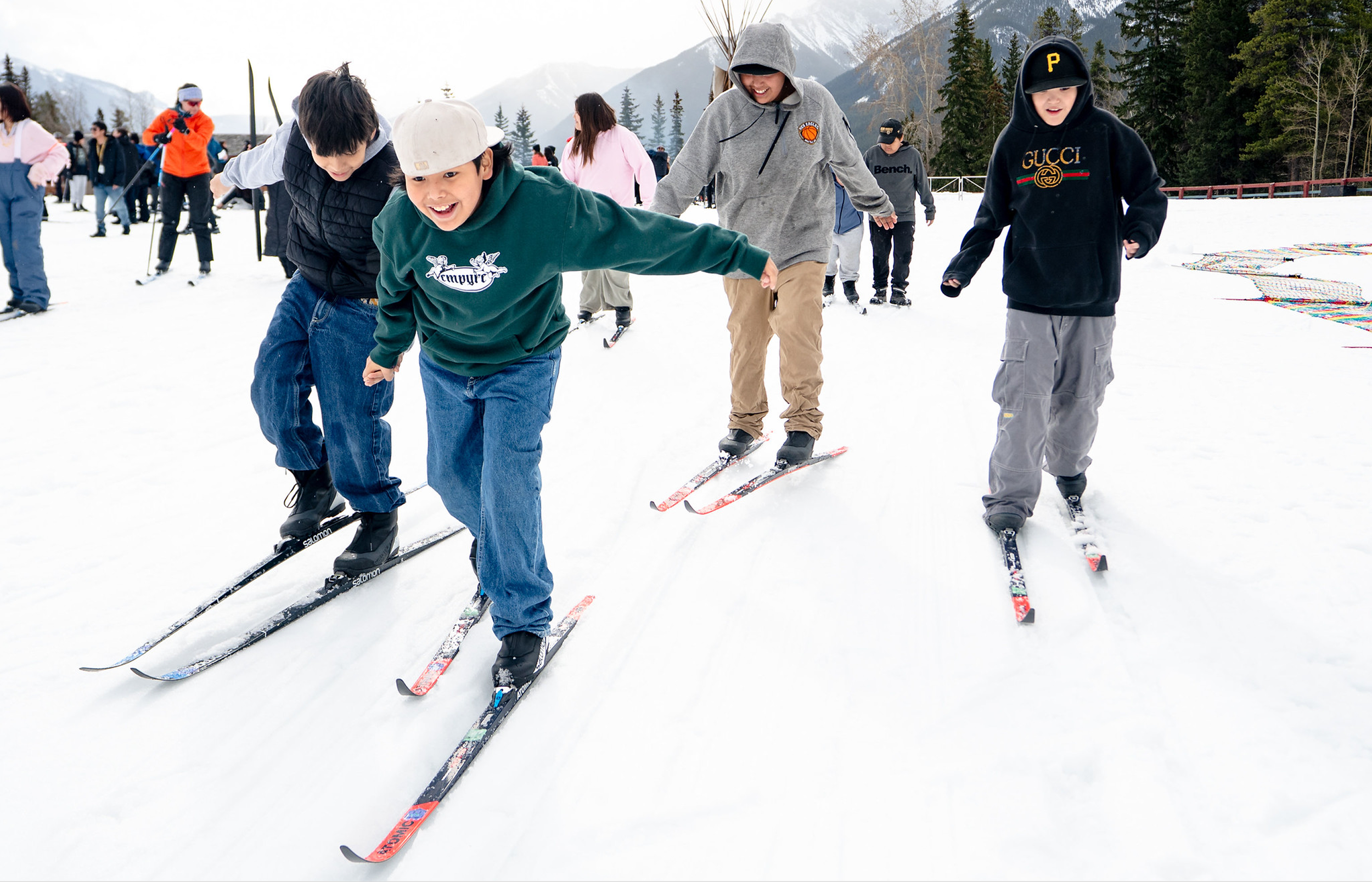
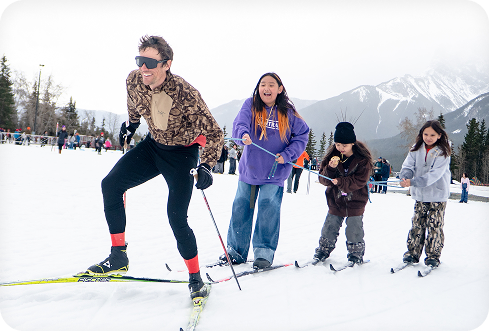
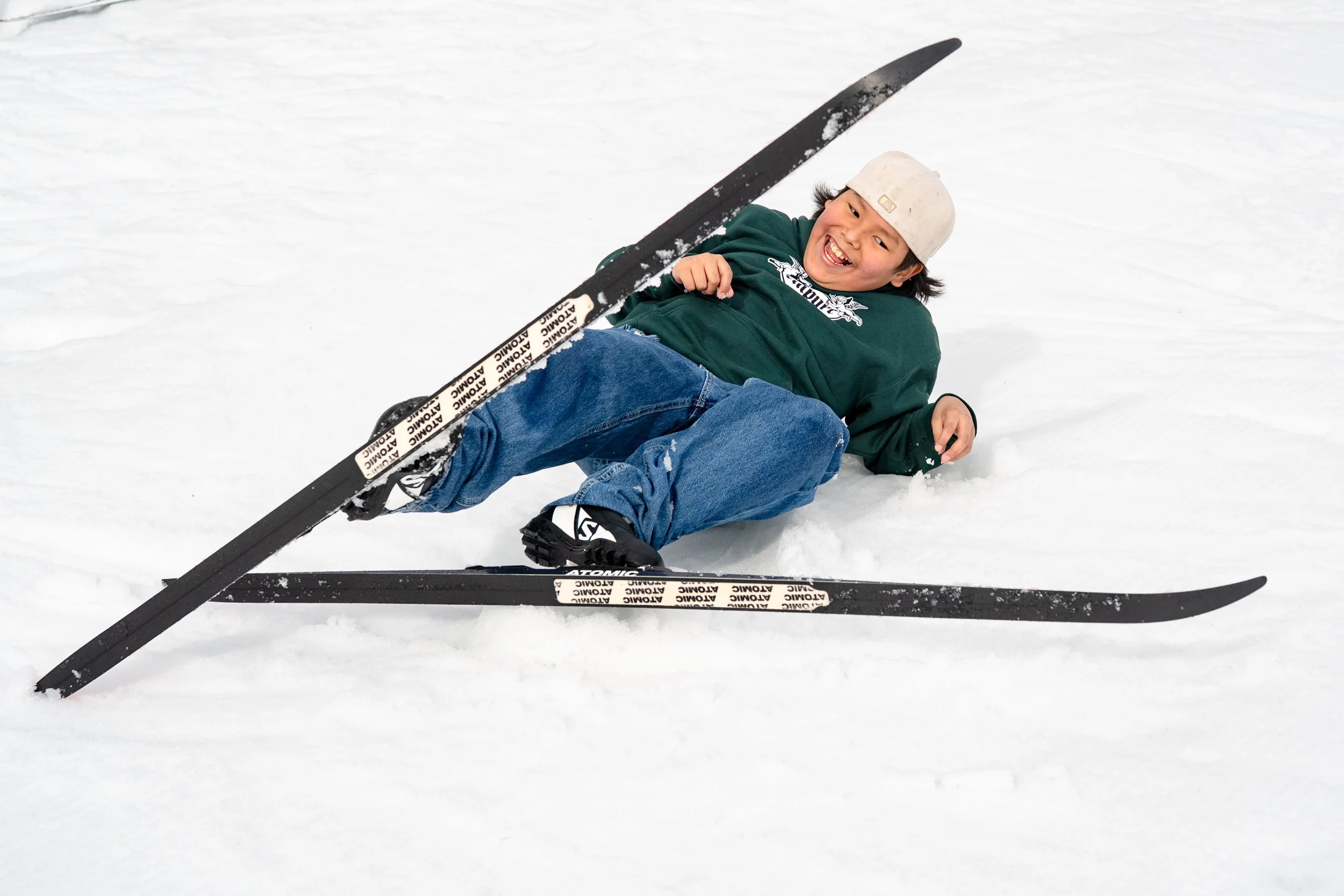
The first class arrives in a shuffle of small boots and snowpants. I run a quick circle-up (what's happening, what's expected, how to stay safe) before the joyous noise and action begins: snowpants on before boots, mittens located, toques found. "Do we use our skis like walking sticks?" "No!" "How do we carry them?" "Like firewood!" When everyone's geared up, it's a short walk to the ski area, where we ease boot after boot into bindings. I demonstrate the basics (falling and getting back up, turning in a circle, keeping skis parallel) before the group spreads out onto the trail with one Spirit North or school leader up front, and one at the back, ferrying encouragement to whoever needs it.
“The best part about Spirit North is the people. They’re all nice, they don’t judge anybody, and they make me so welcome.”
BACK OUT
AFTERNOON
Two more groups head out before the school day ends, and when there's a ride available, an after-school session also takes place for the students who want more time on snow.
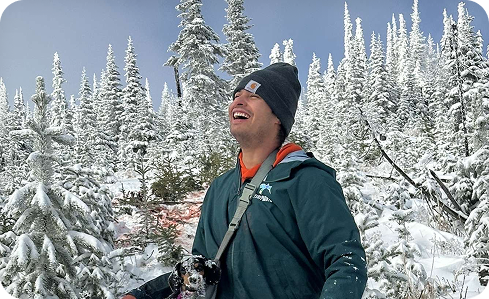
Programs like this one run across the North with support from partners including Canada Post Foundation, Cross Country NWT, and the Daniel Family Foundation — funders who understand that showing up for these communities means showing up all season, in every kind of weather.
2024-25
AT A GLANCE
This year, we chose depth over distance.
Rather than measure 2025–26 by how far our programs reached, we're measuring it by how deeply they took root. This was a year for centering the work we already do well, returning to communities we've walked alongside for years, deepening those relationships and our own understanding of what long-term, consistent programming actually requires.
18,509 Students
2,571 community members
2,389 program days


That choice shows up in this year's numbers, reflecting a season of consistency rather than expansion, in keeping with the Strategic Framework's commitment to sustainable, long-term relationships over rapid growth. Fewer new communities this year meant more time and attention for the ones already walking this path with us.
FEEDBACK

Educators
100% identified increased physical activity as the biggest impact
92% noted an improved connection to school
88% acknowledged that overall health improved for youth
100% identified quality relationships as a distinguishing program feature
71% noted improvement in youth physical literacy
Community Members
100% see positive physical, social, and mental health impacts on youth
100% identified authentic relationships as core to Spirit North programs
83% define program success through a relational lens
Youth
100% participate in programs because of fun and activity variety
100% described learning new sport skills as confidence-building
89% value programs because they are inclusive and supportive
63% listed barriers to participation, which included transportation, scheduling, and competing responsibilities
Stories from the land
From bike fleets that spark new possibilities in Alberta, to braving the chill with a smile in the Northwest Territories, and finding meaning through Manitoba’s cultural programs, our stories show what’s possible when opportunity meets determination.
Click on the images below to read each story.


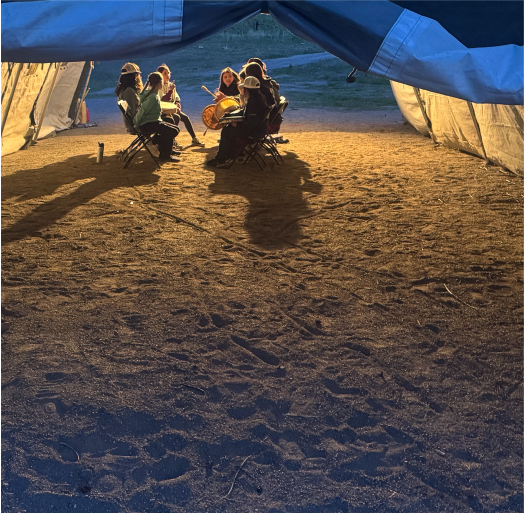
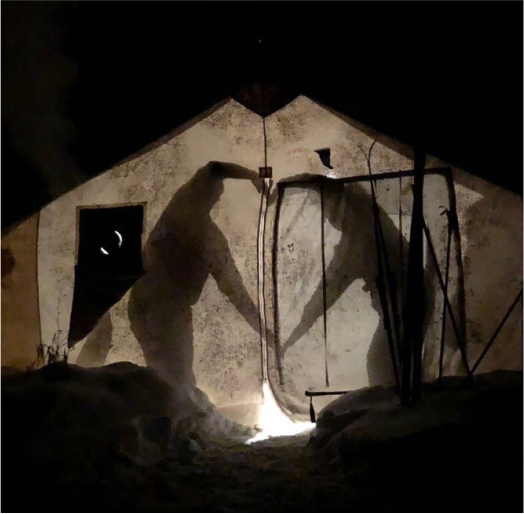
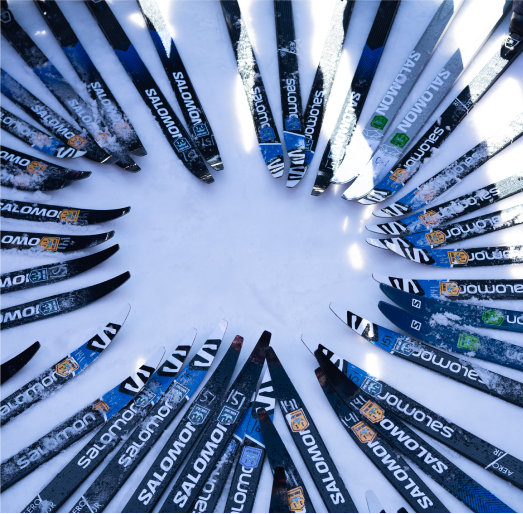

We wish to thank our partners at Jumpstart Foundation, Peter Cundill Foundation, Landmark Cinemas and Canada’s Great Kitchen Party for their generous support in bringing these stories to life.
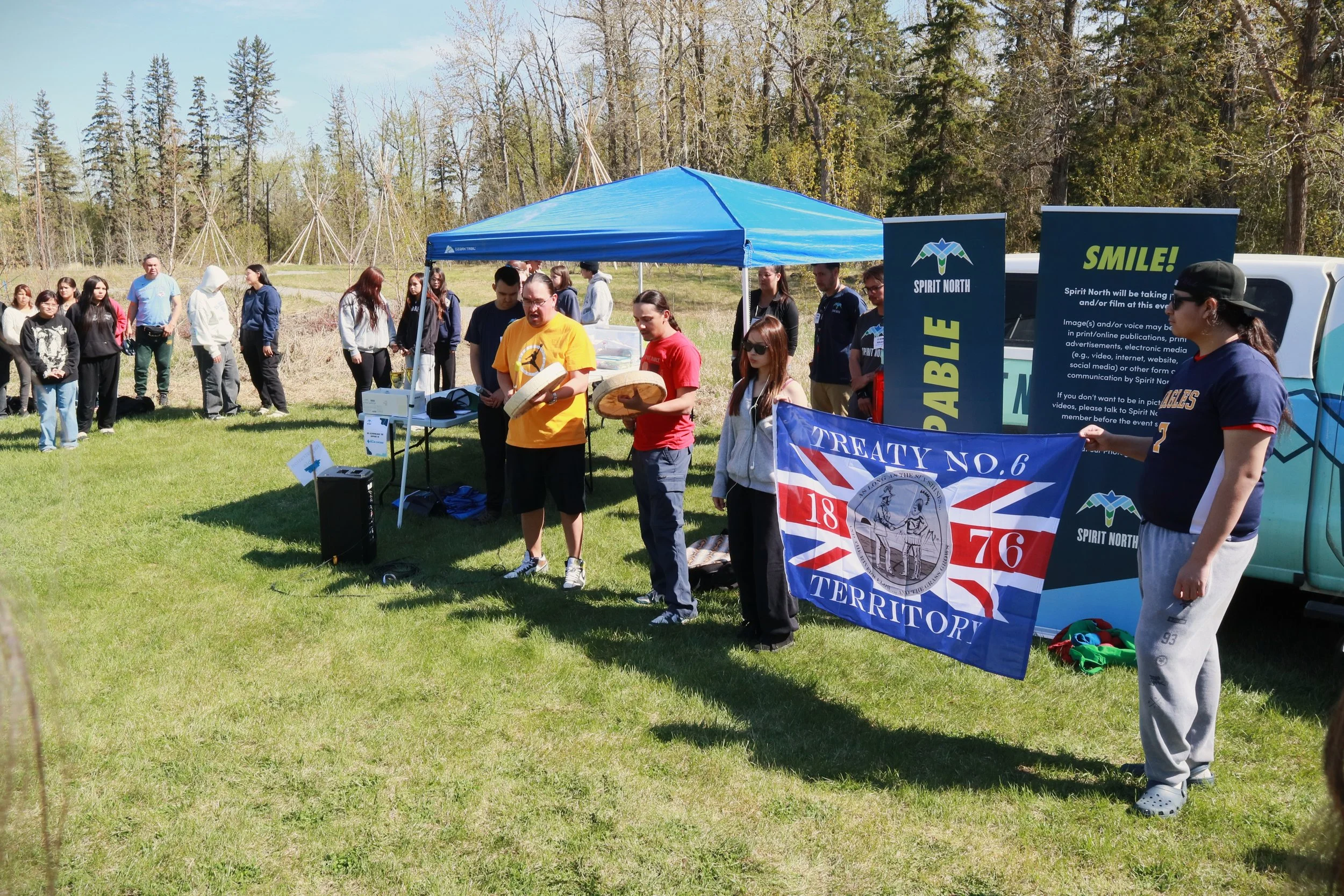
WALKING TOGETHER
We remain focused on the Truth and Reconciliation Commission's Calls to Action, particularly those addressing the health legacy of residential schools and reconciliation through sport. This is not work we consider finished: it's ongoing, and we're committed to staying accountable to it year over year.
So what does that mean in action at Spirit North? This year, that meant committing to grounding our work in the practices named in our new Strategic Framework [link to SF}: things like continued commitment to co-creation with communities, weaving Indigenous and Western knowledge systems together and following Indigenous data governance frameworks so that information about the communities we work with is guided by their authority, not ours.
Three TRC CALLS TO action we are focused on addressing are:
#19 Health
We help close the gap in health outcomes by ensuring Indigenous youth have access to the physical, mental, and cultural benefits of sport and land-based activities, creating space for well-being that lasts a lifetime.
#89 Sports & Reconciliation
We elevate sport and play as a fundamental part of health and well-being, and we support active communities through local events and dedicated programming.
#90 Sports & Reconciliation
We collaborate with schools and communities to create programs that reflect local needs, and invest in resources, training, certification and mentorship to ensure these benefits last for generations to come.
45%
of our community program leaders and associates are Indigenous
55%
current Board members identify as Indigenous
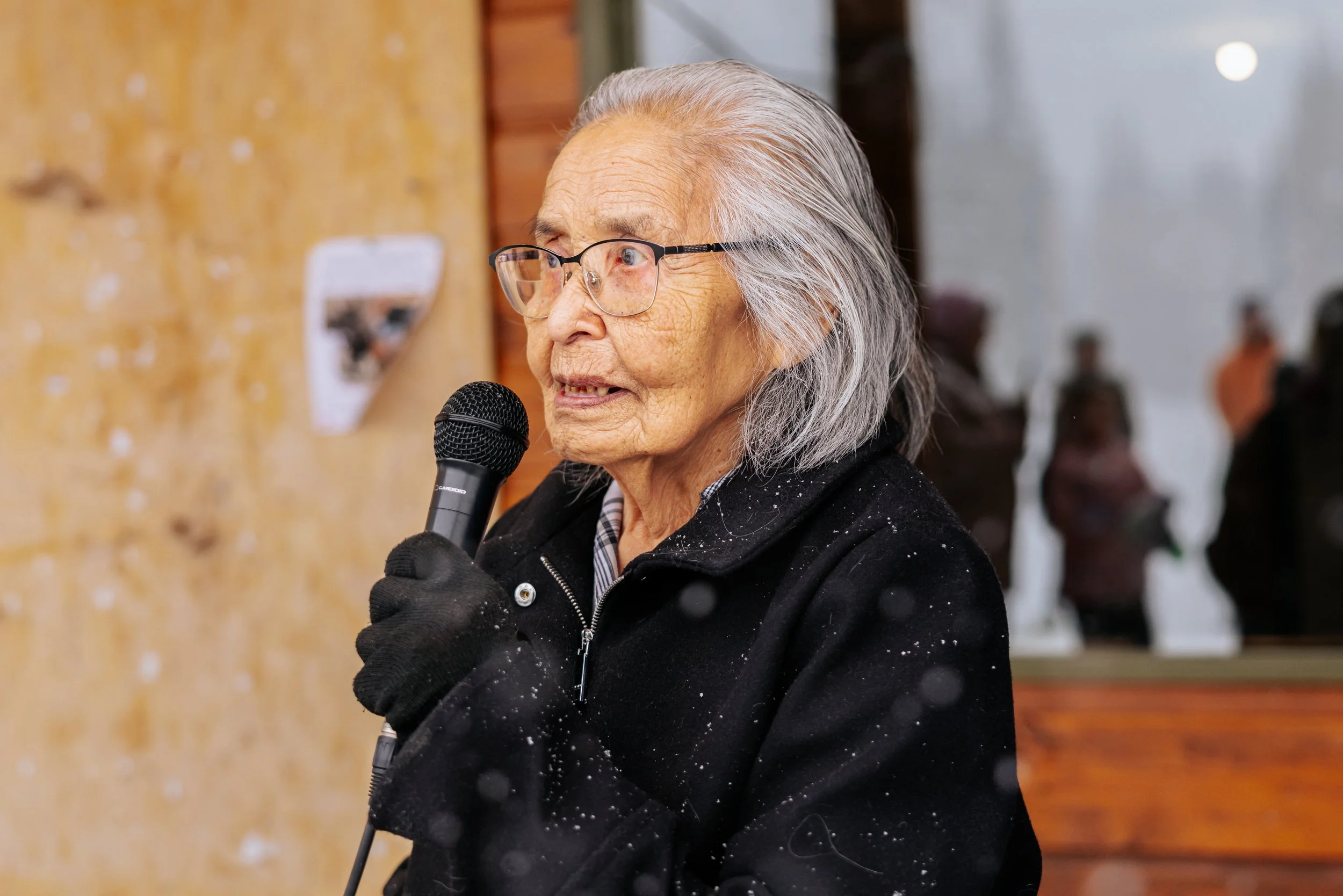
“For us, to reconcile is to make the relationship, to build the relationship
between one another… you can’t buy your relationship or friendship.”
IN ACTION
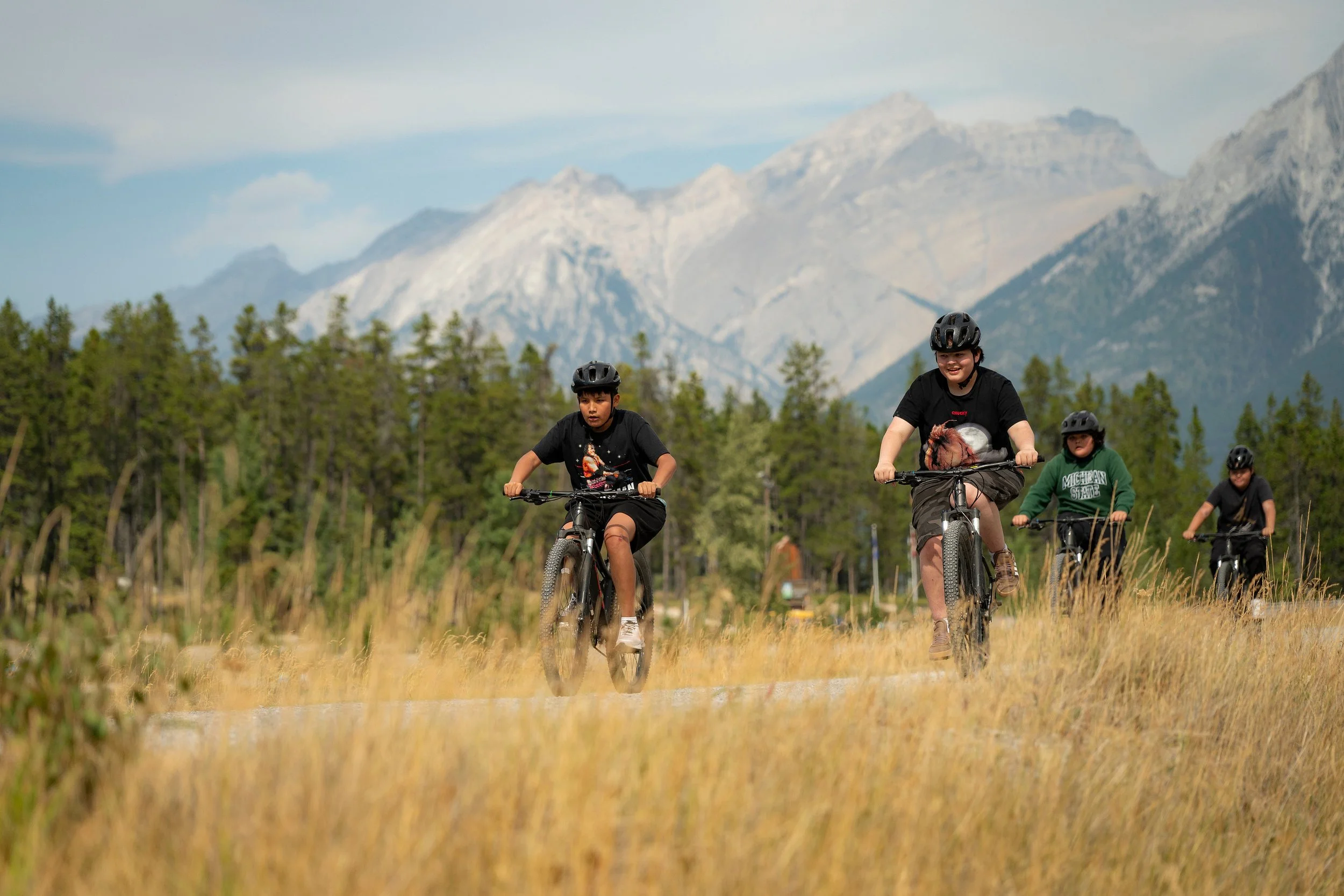
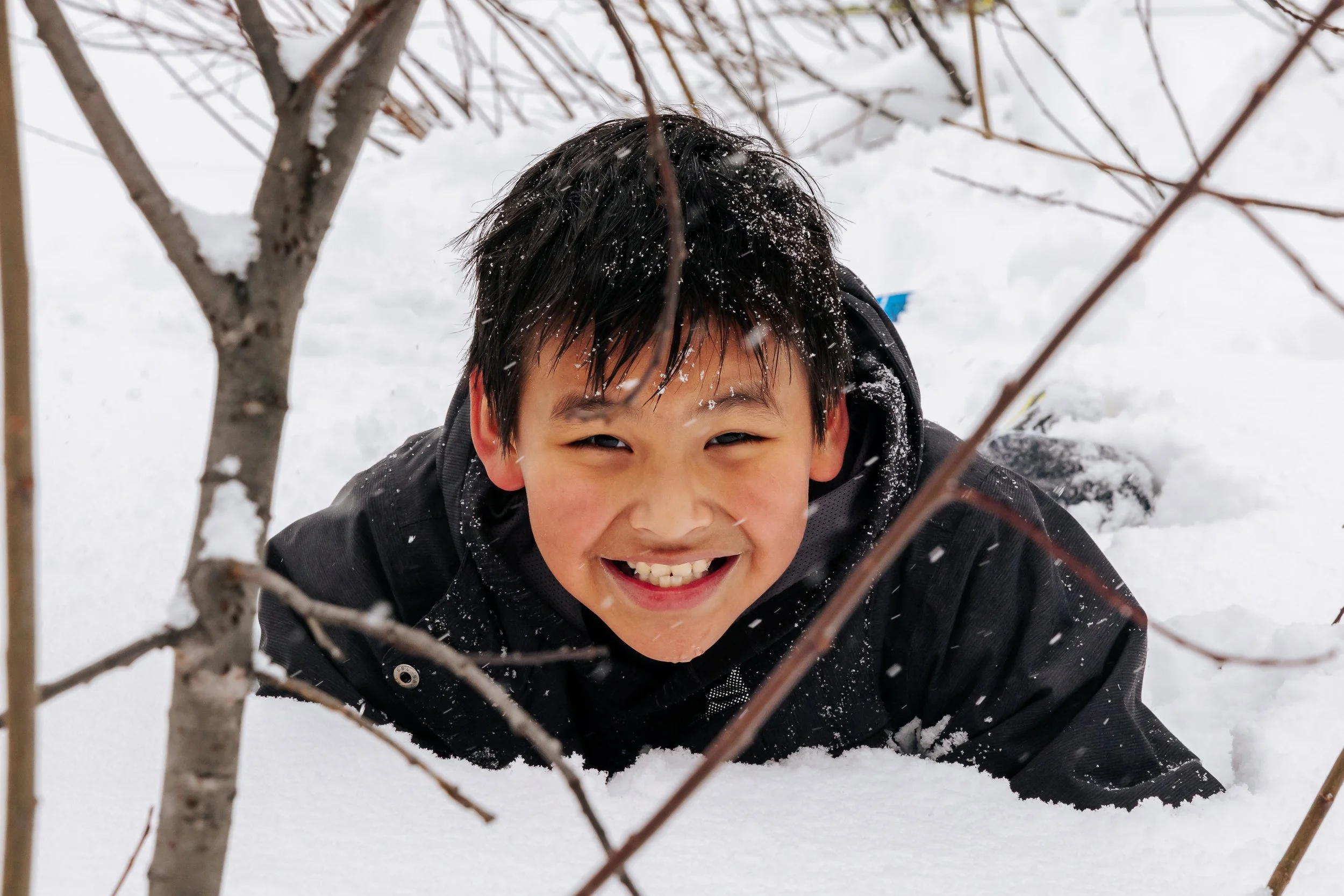
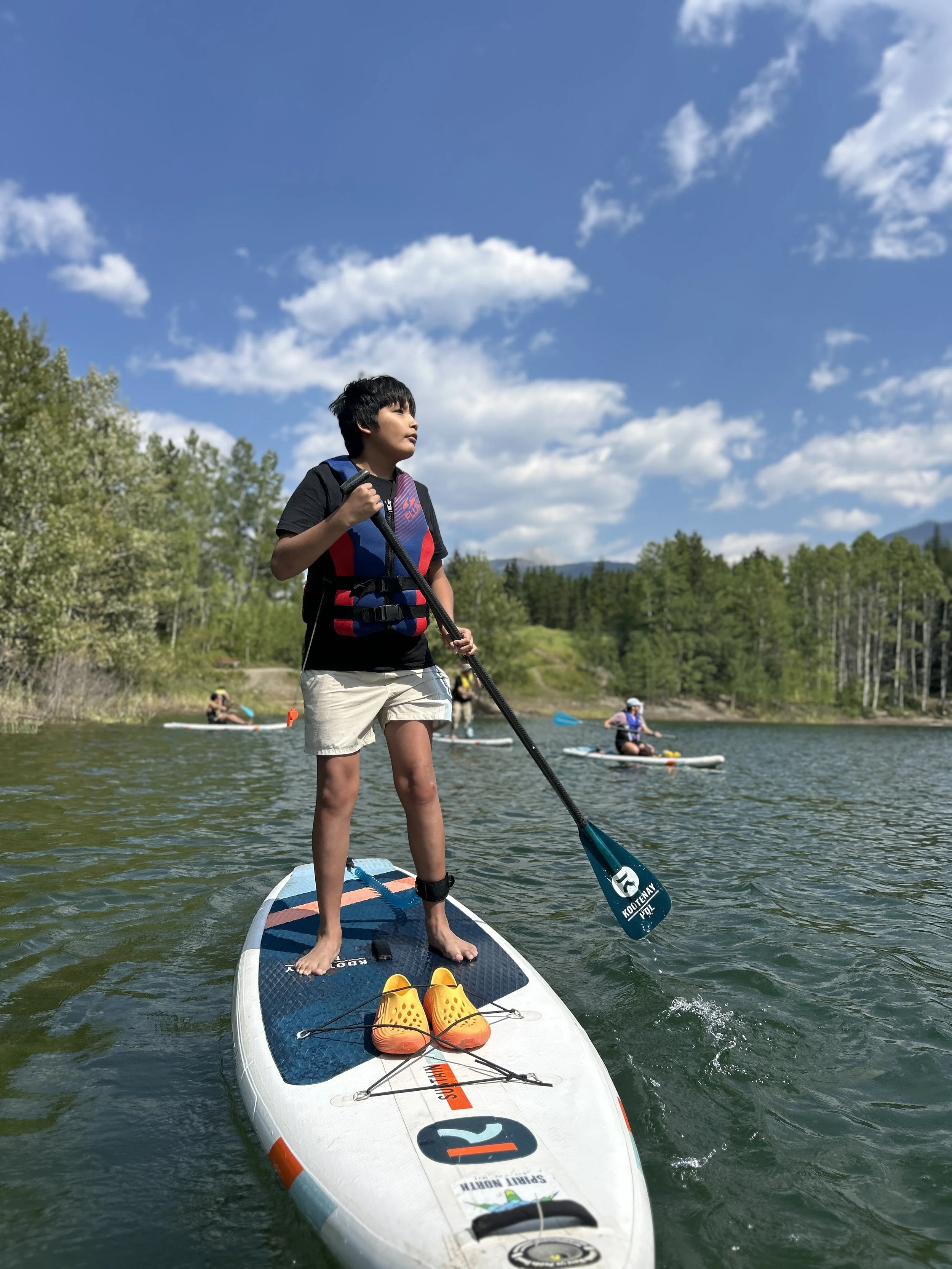
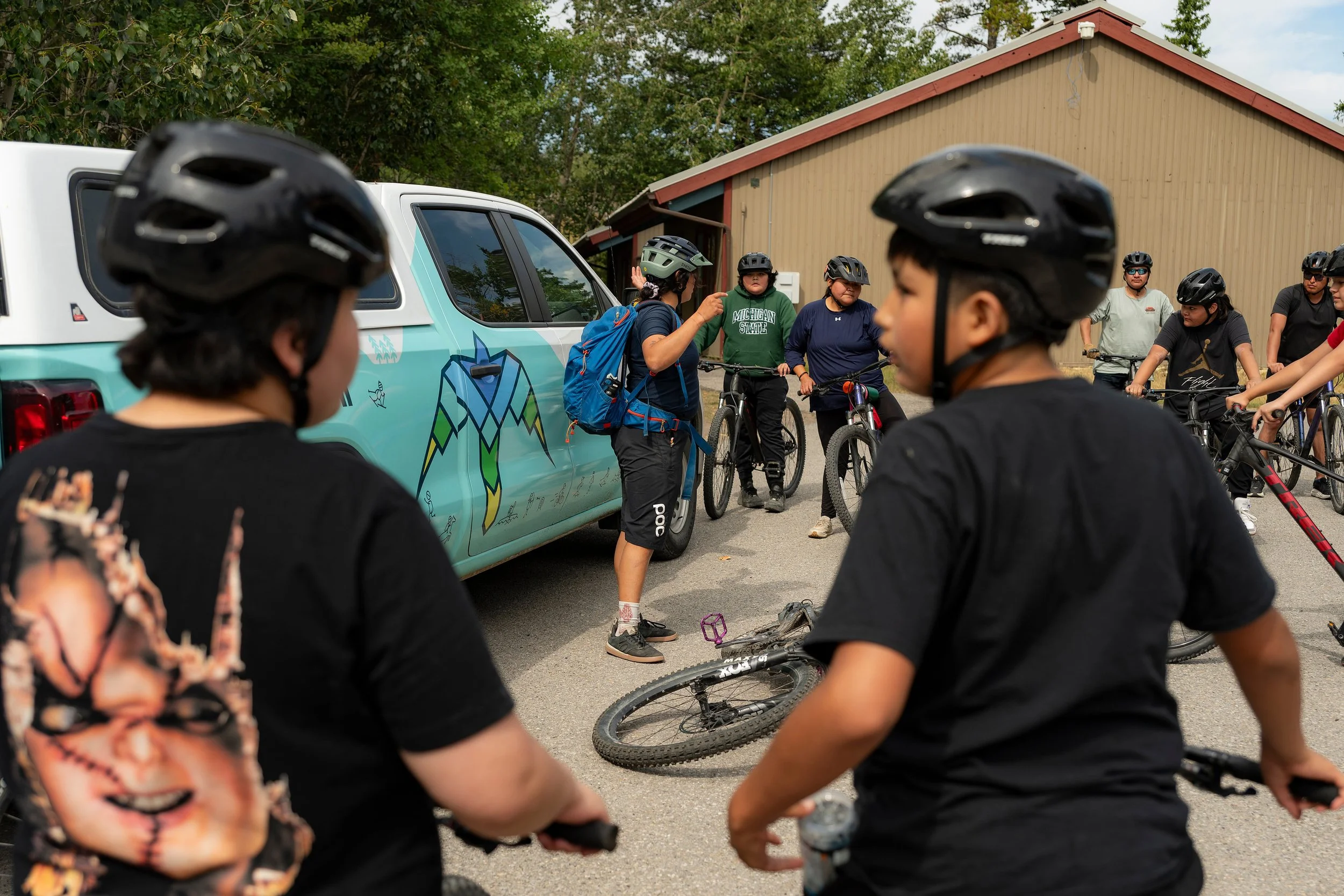
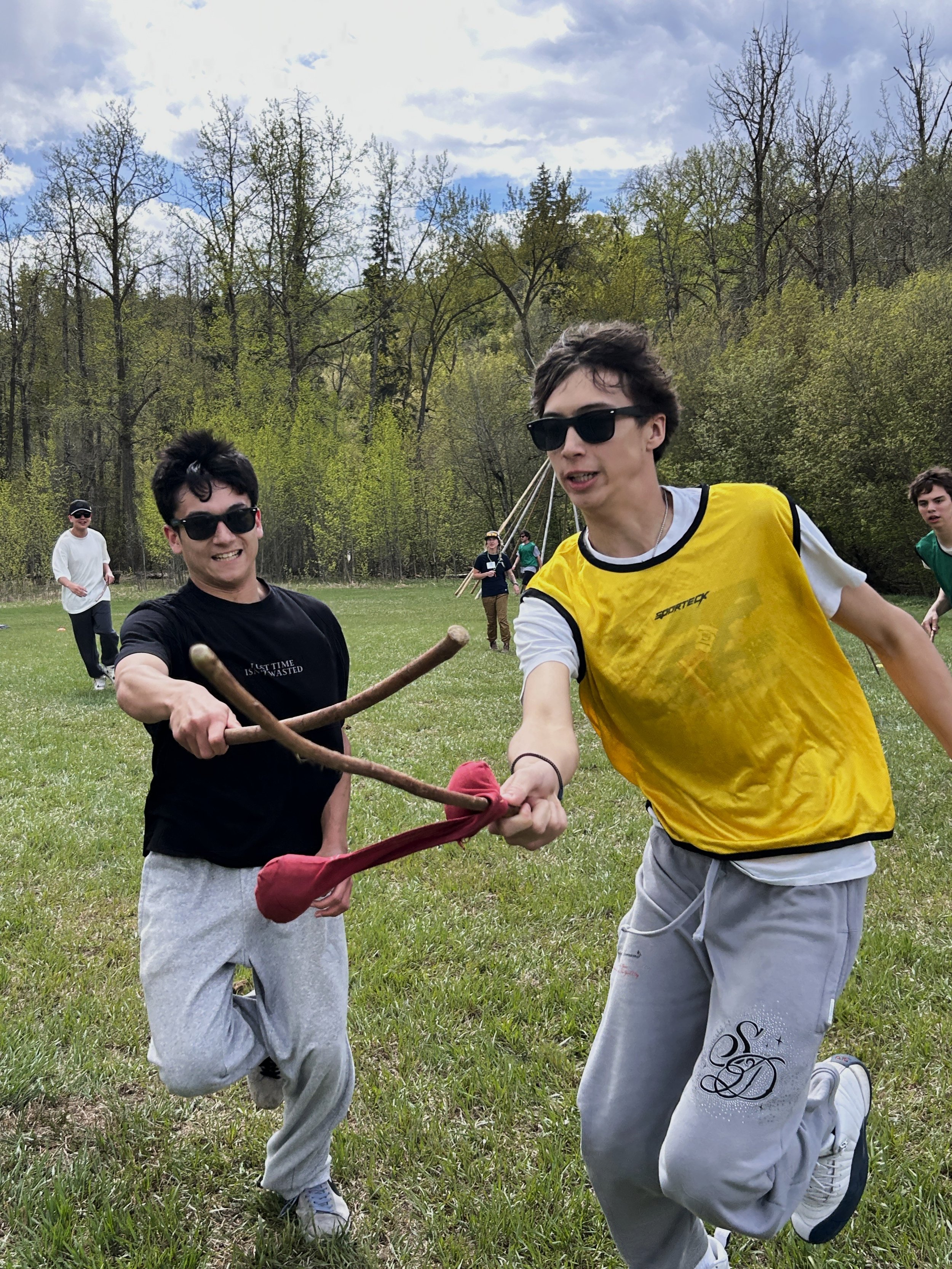
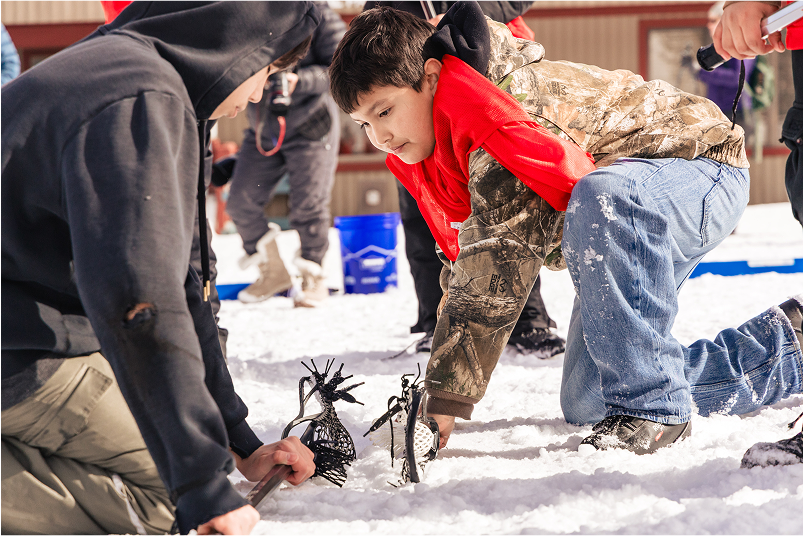
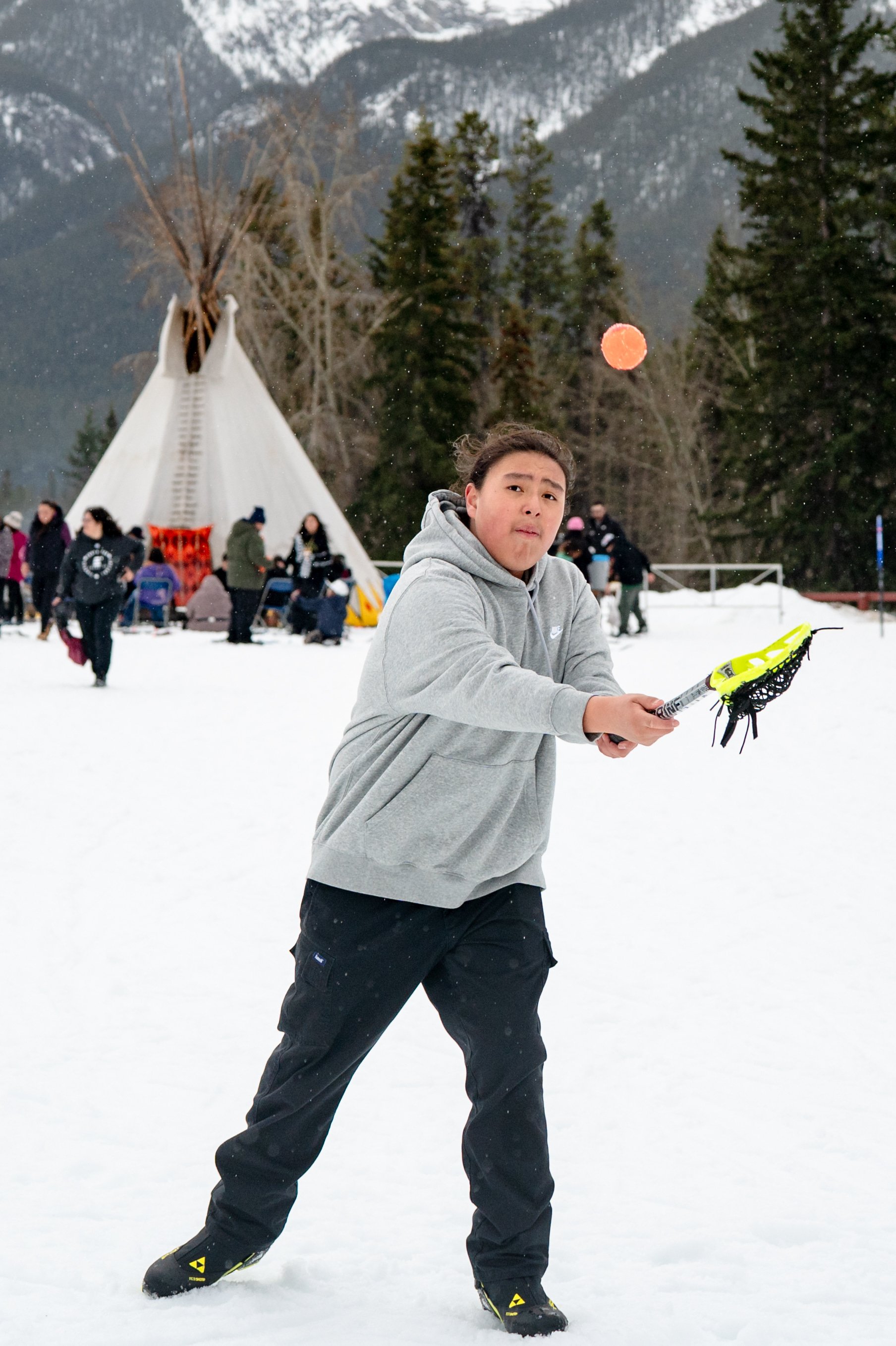
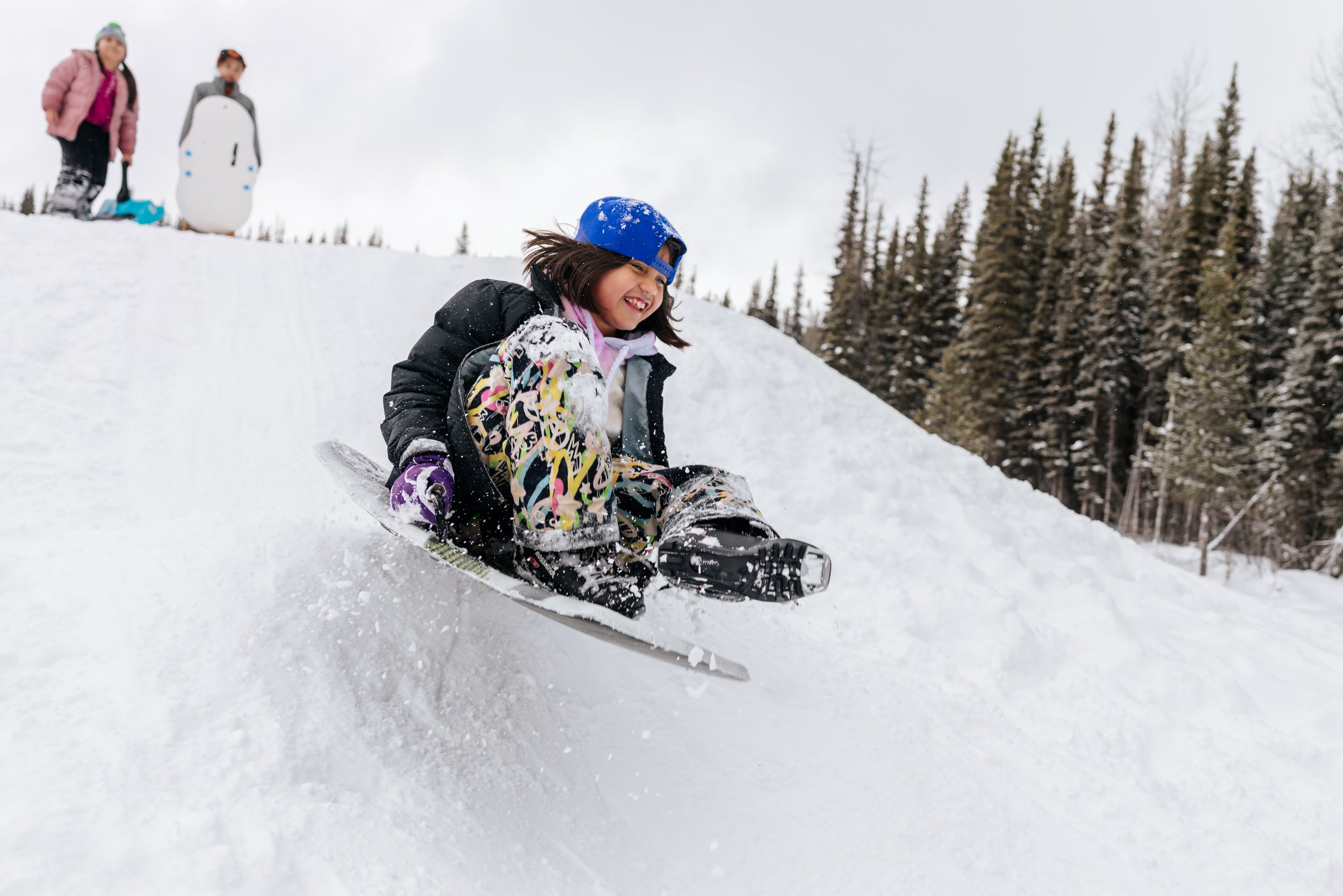
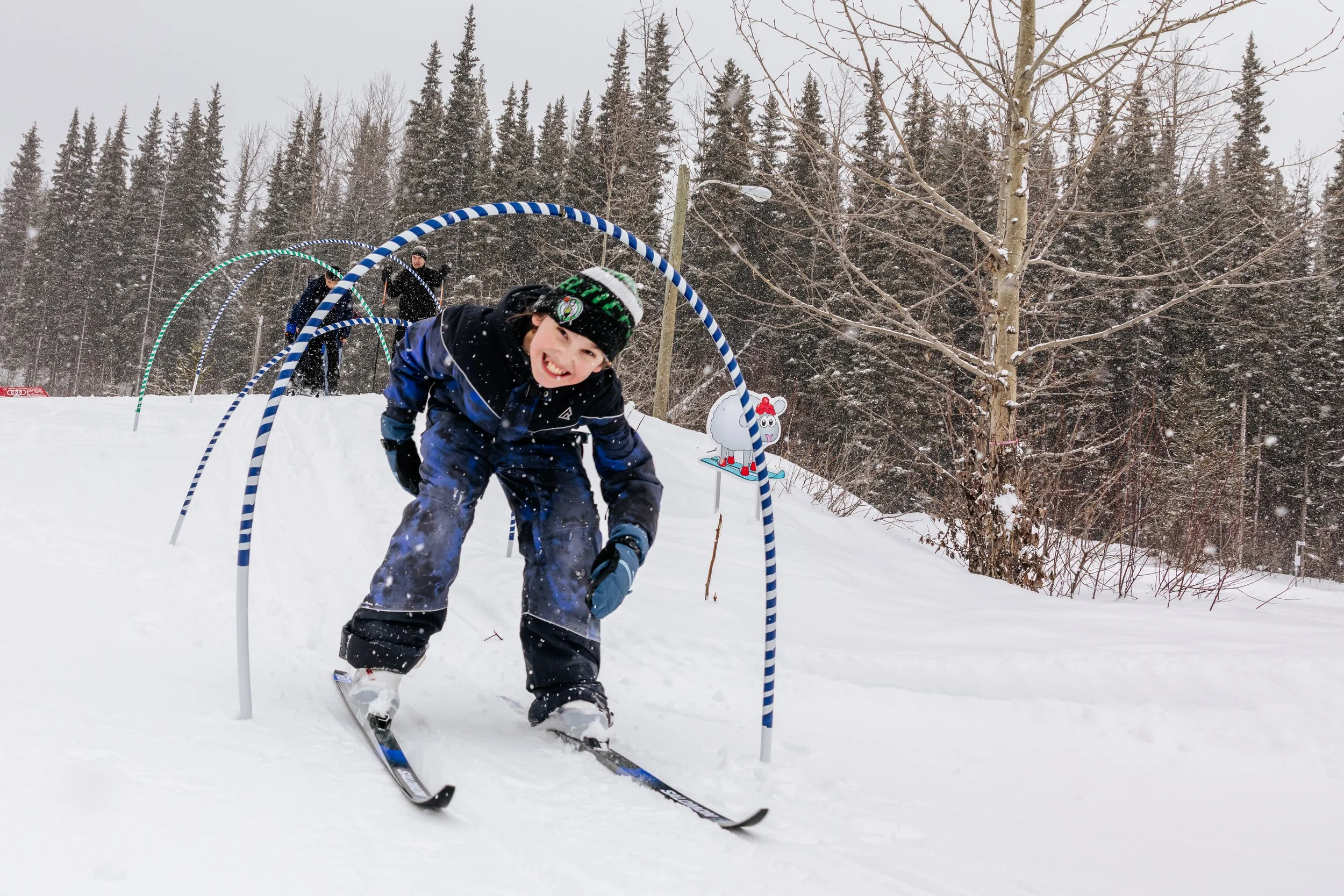
From cross-country skiing to lacrosse, and from archery to paddling, Spirit North programs spark joy, confidence, and connection in every season.
This gallery is a showcase of over 40 different sports and land-based activities offered in partnership with communities. Each photo represents a pathway to health, confidence, and belonging for Indigenous youth.
“The best part about Spirit North is the people. They’re all nice, they don’t judge anybody, and they make me so welcome.”
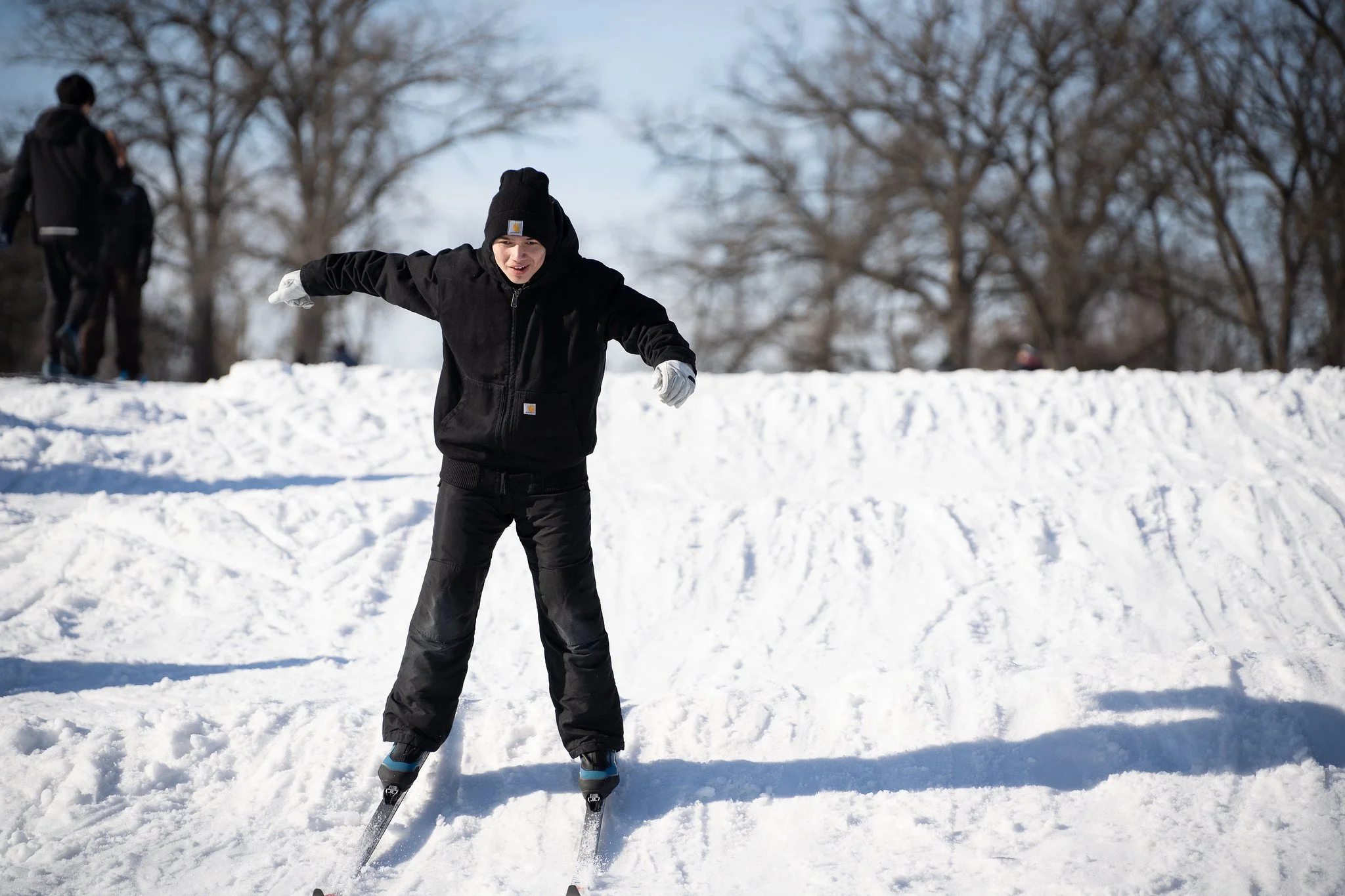
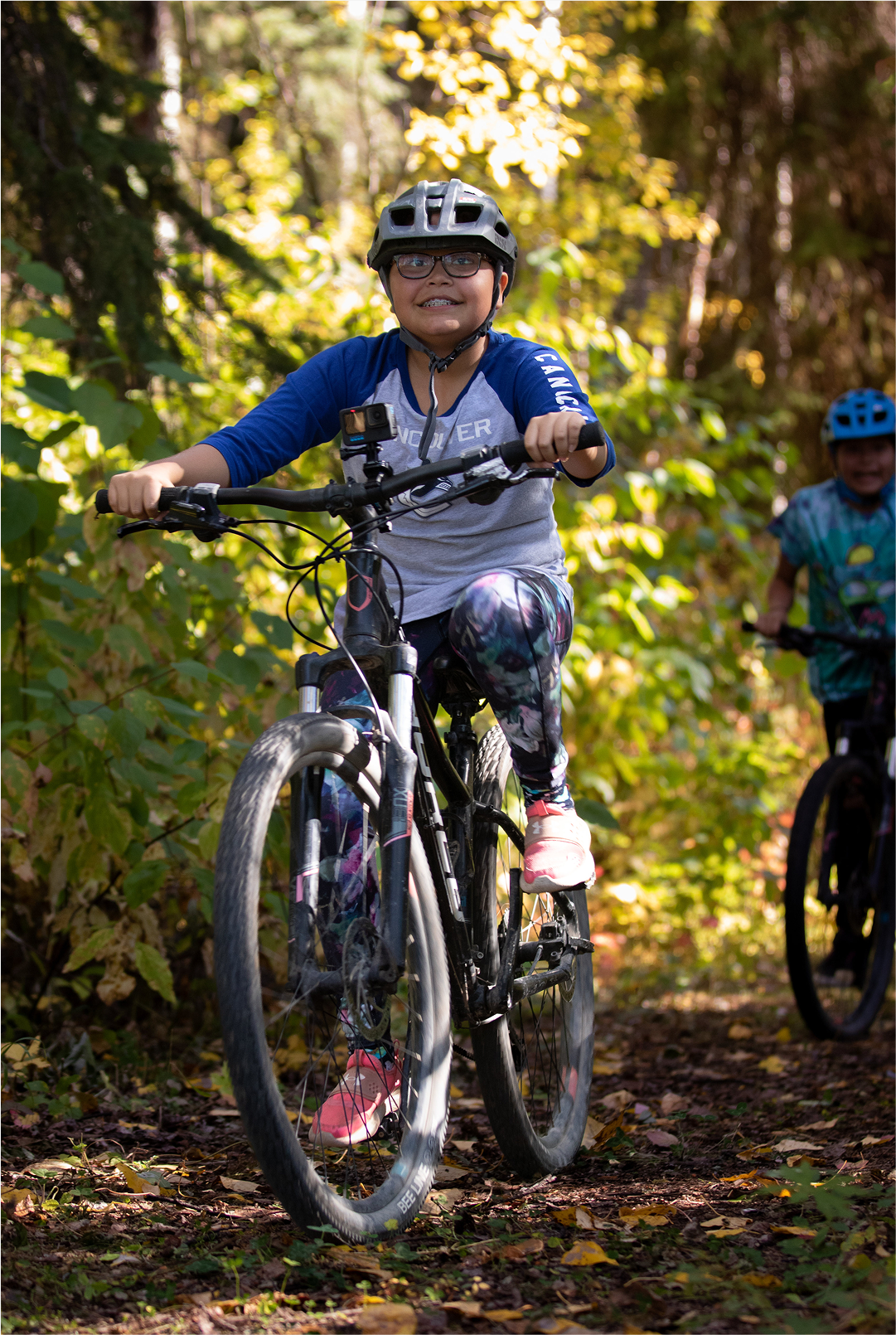
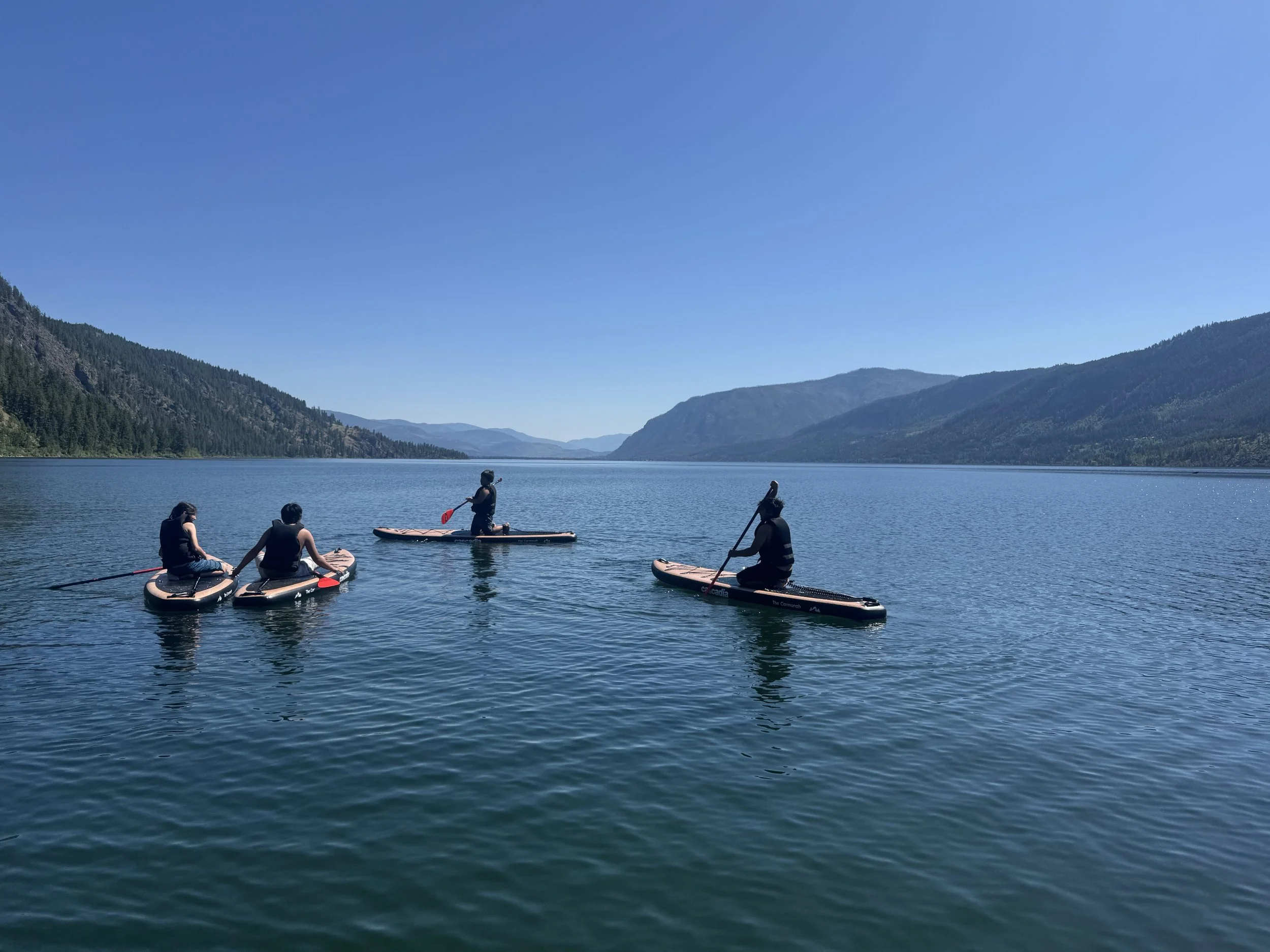
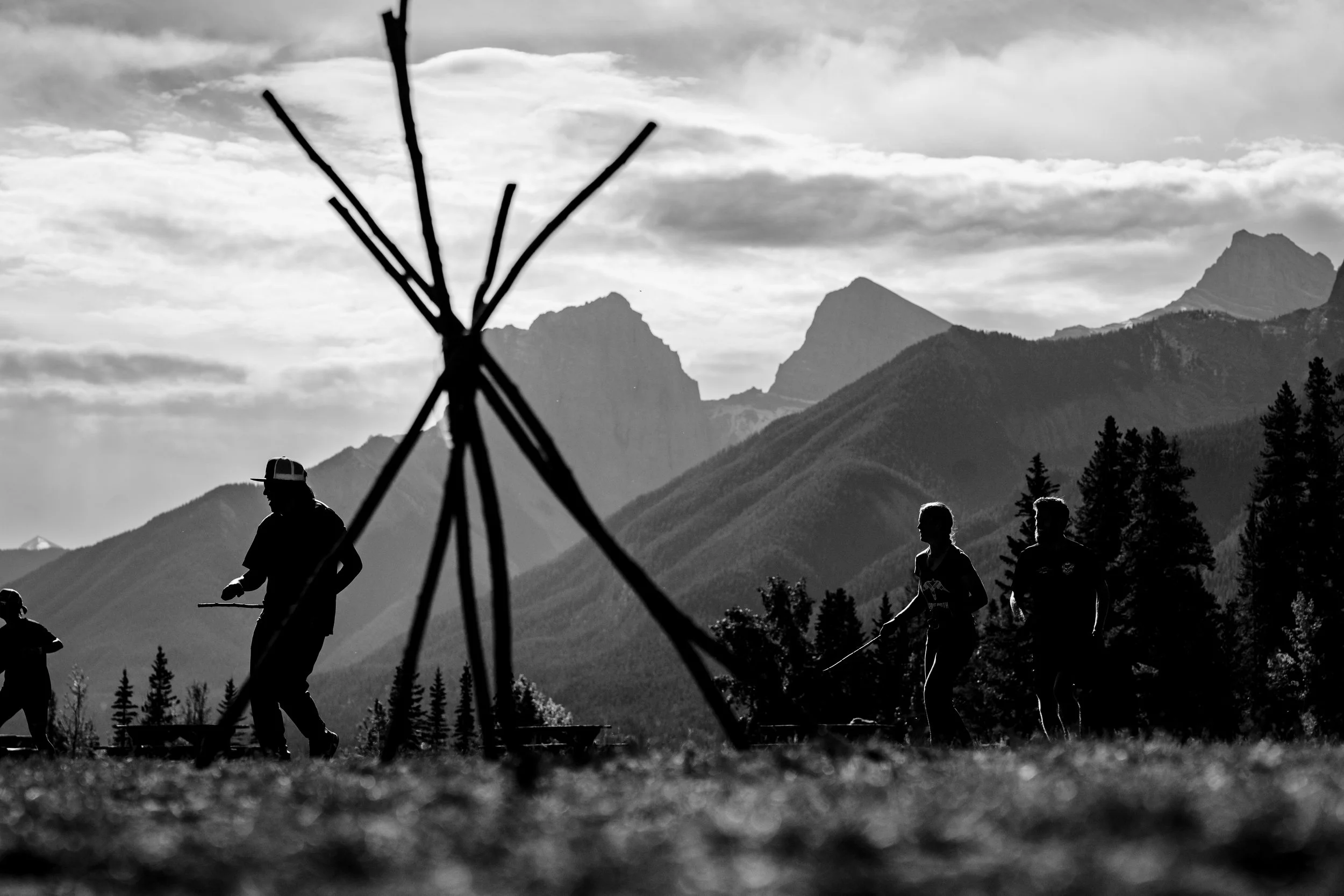
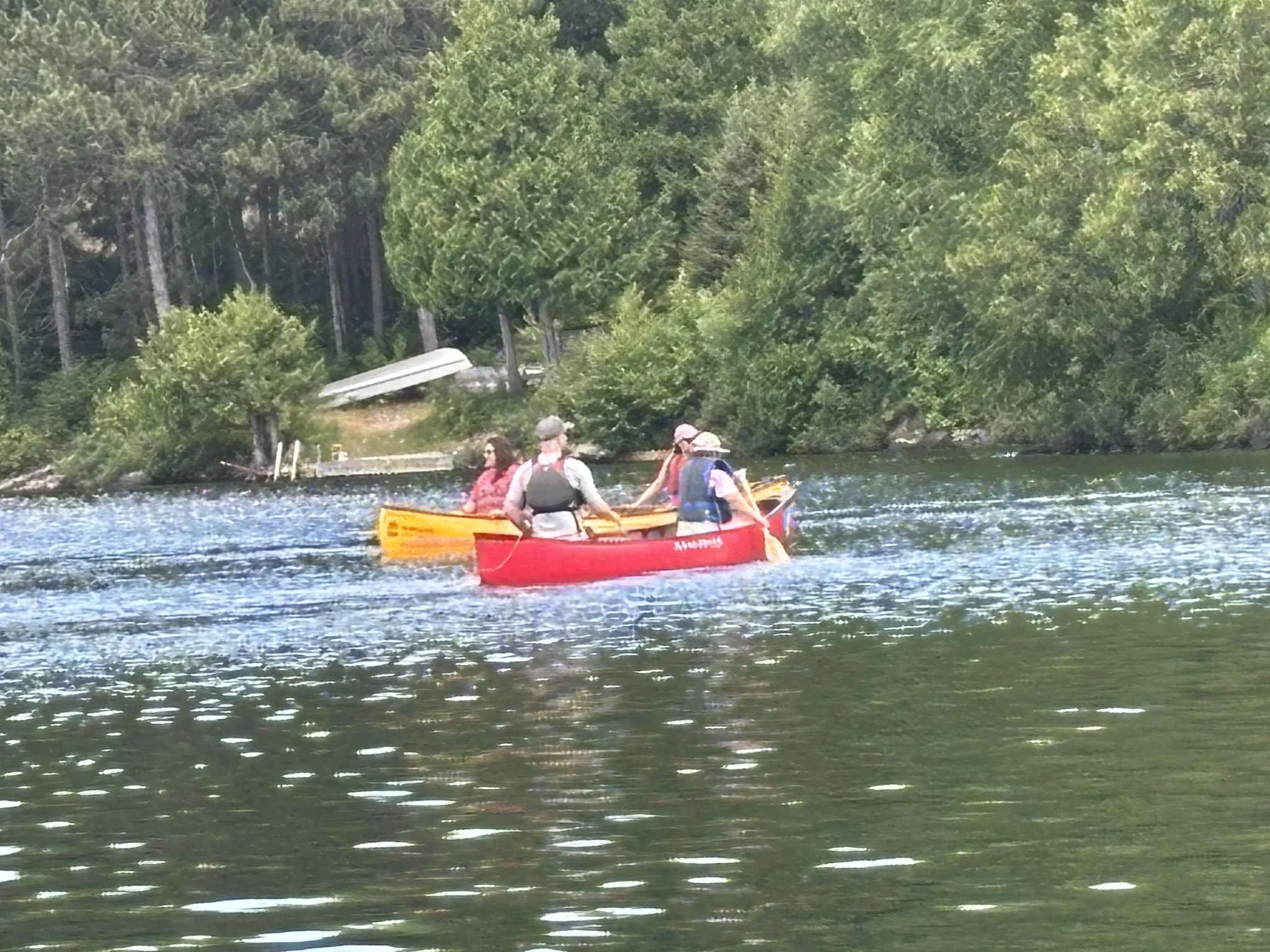
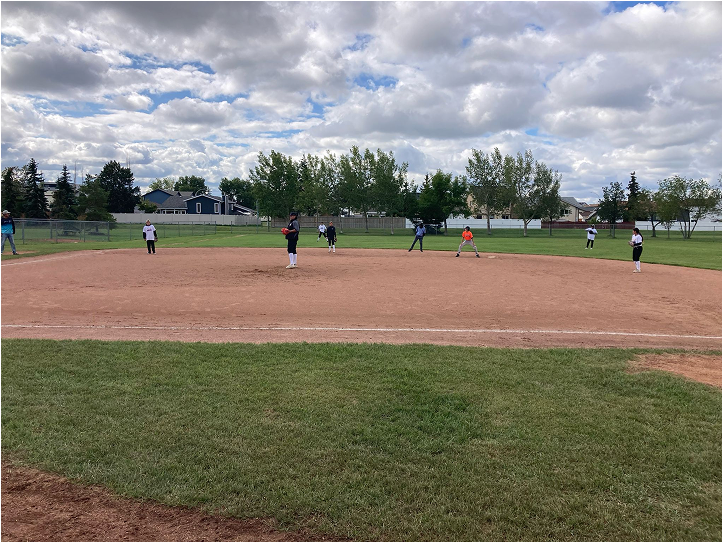
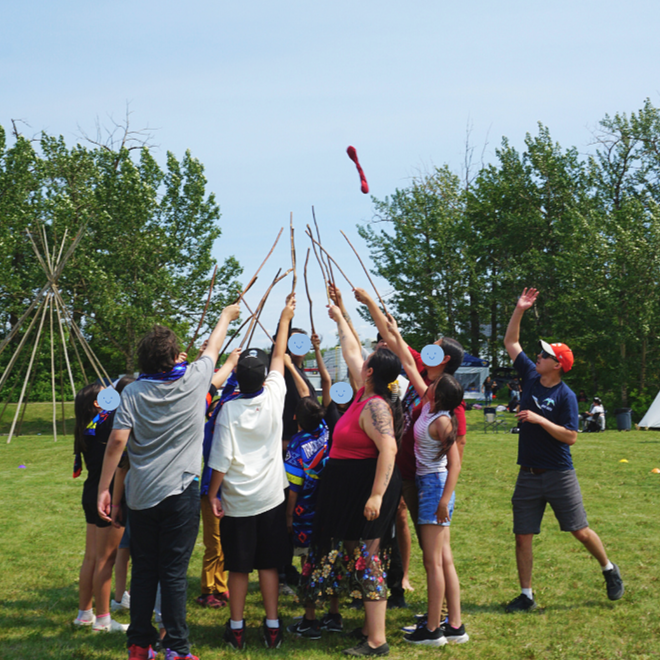
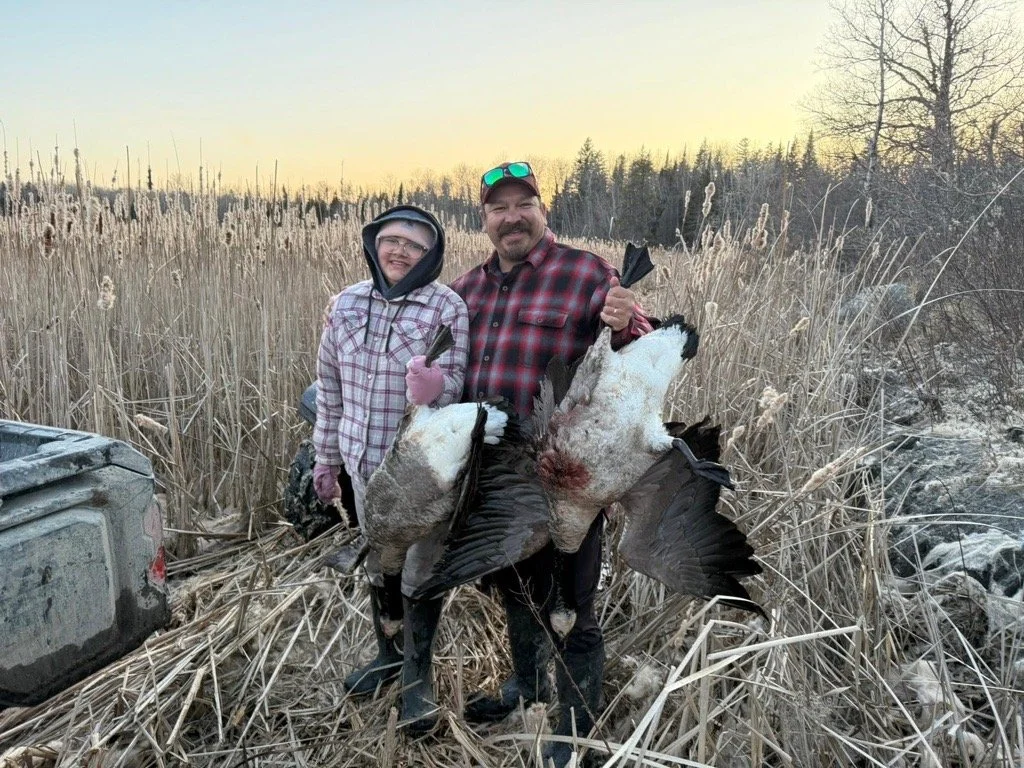

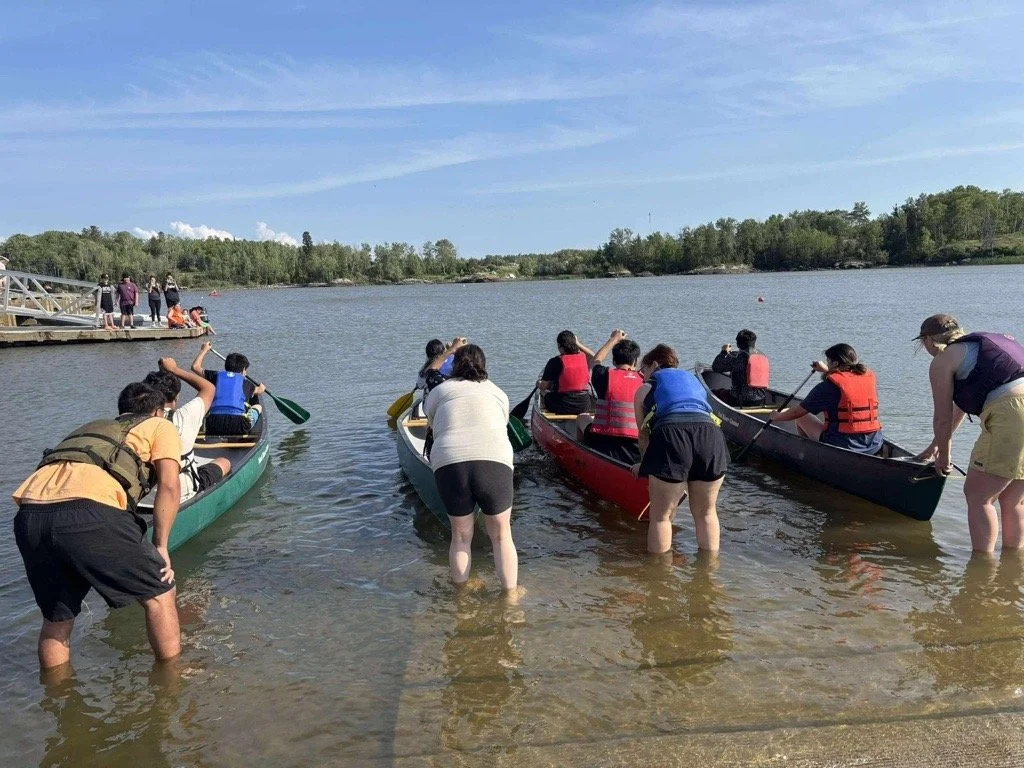


“Spirit North does a great job of exposing kids to different activities: kayaking or canoeing on lakes, mountain biking in the bush, Indigenous games like double ball, cross country skiing. These kids don’t have the opportunity to do them otherwise.”
LACROSSE feature
In the scenic slopes of northwest British Columbia is the community of Witset, nestled quietly in Wet’suwet’en territory just half-hour north of Smithers. At Witset Elementary, Spirit North days are as eagerly anticipated as the first snowfall. The skiing program has become a cornerstone to students’ school year. Over the years, students have experienced many achievements, learned about perseverance, and built their confidence with their newfound skills.
However, skiing is not the only program that has students abuzz with anticipation when the Spirit North truck pulls up. Archery has become a space where students can find joy and connect to the land and community traditions.
Introducing archery has allowed for more generational involvement from Elders, parents, and teachers who are sharing their skills and knowledge during Spirit North programs, reconnecting youth to the cultural traditions of their community and deepening their understanding of the land.
While archery is taught indoors so that students can participate regardless of weather, the atmosphere of connection, fun, and community participation keeps the momentum and excitement for movement alive well beyond the classroom.
“When students know that Spirit North is coming to our school, our attendance is right on. The attendance really goes up, it really is improved when Spirit North is here. And I think just the whole energy of the school is very positive.”
FESTIVALs
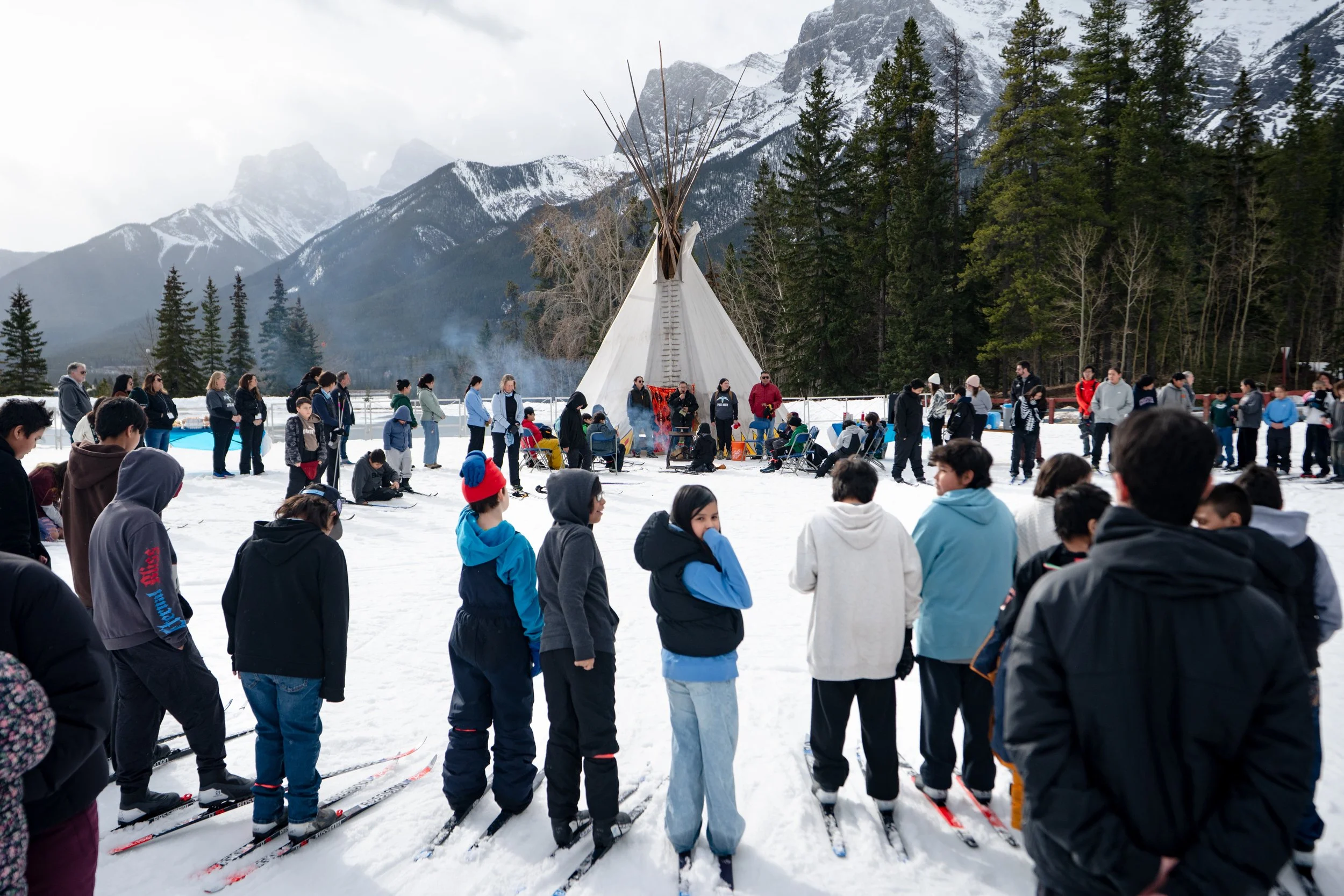
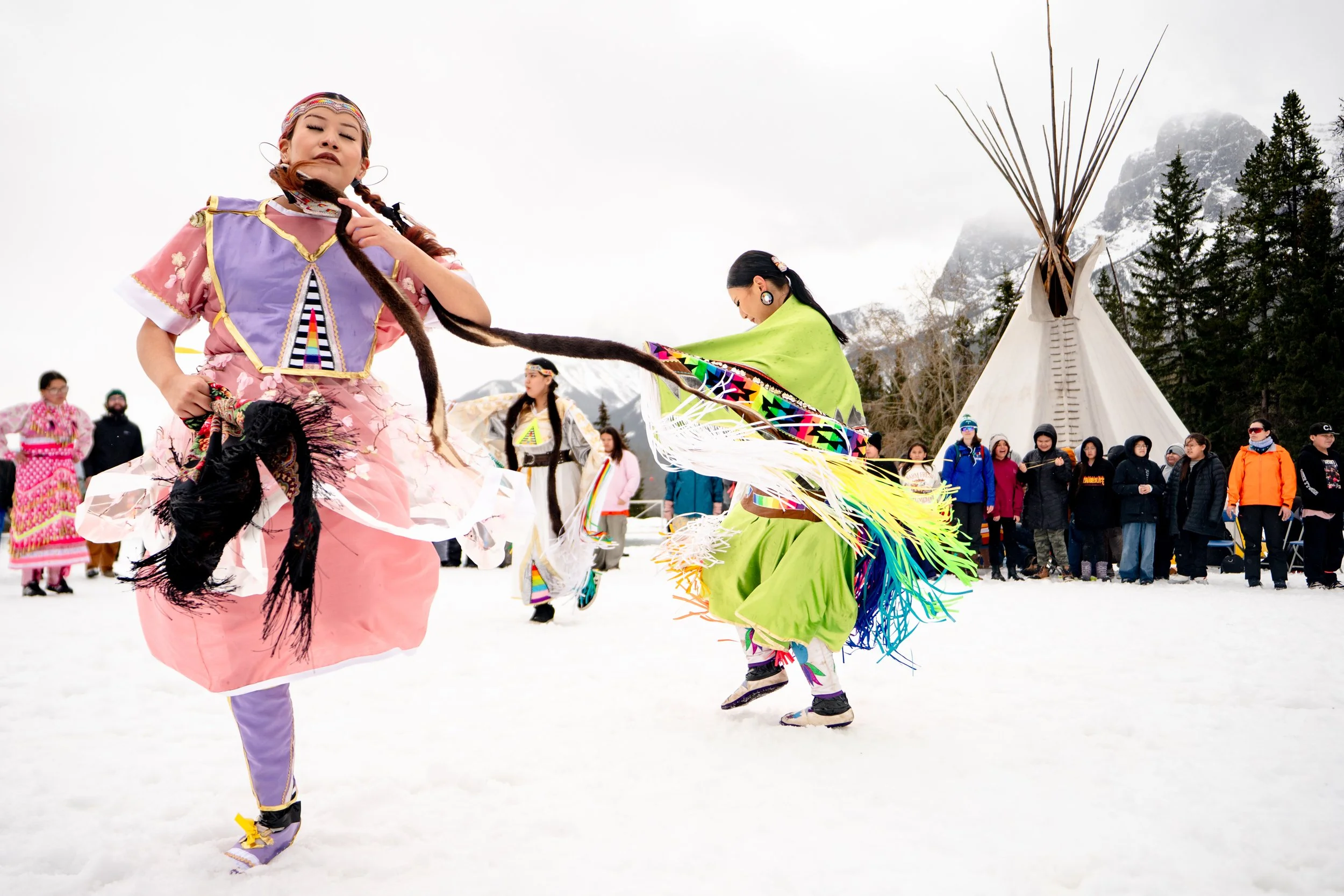
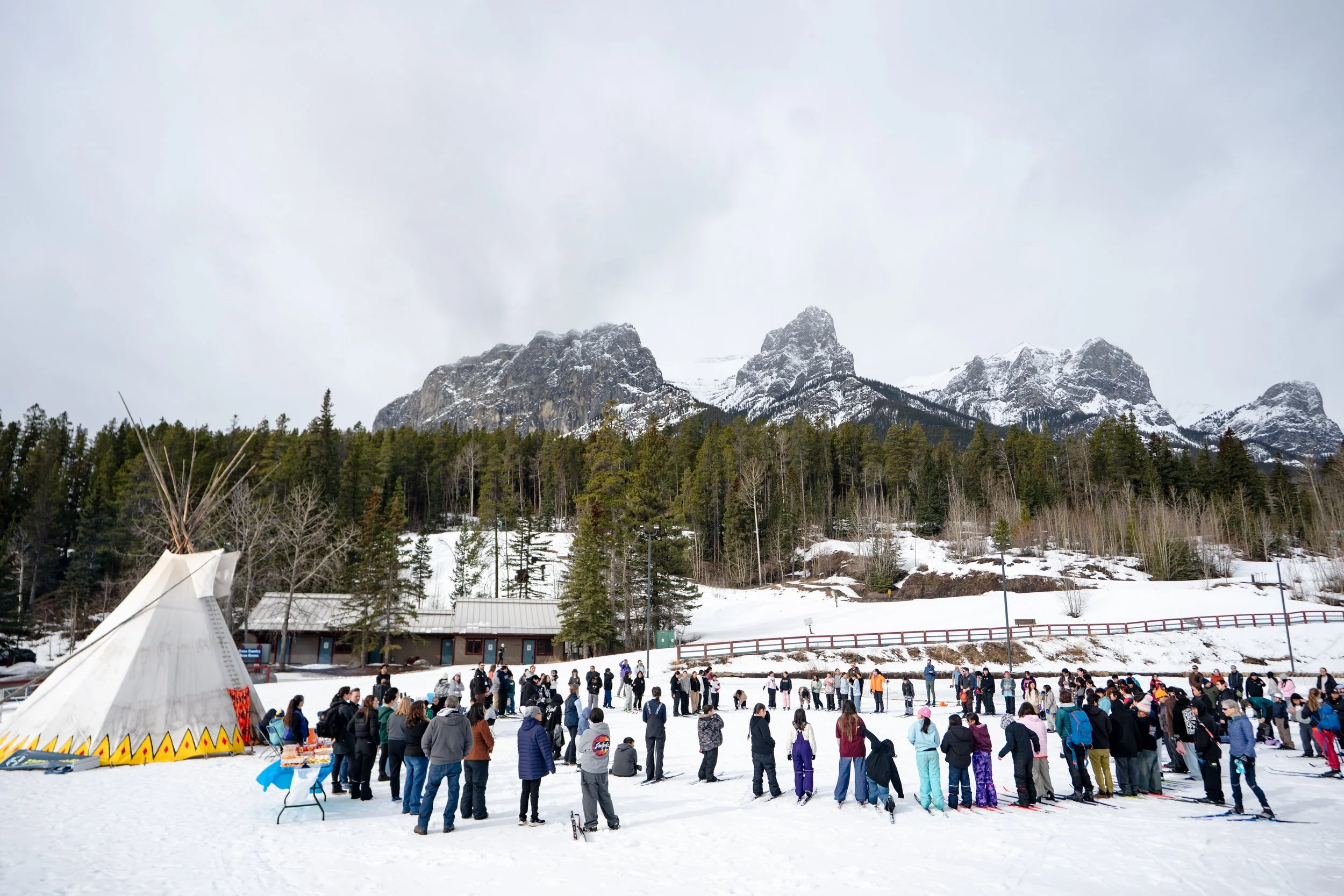
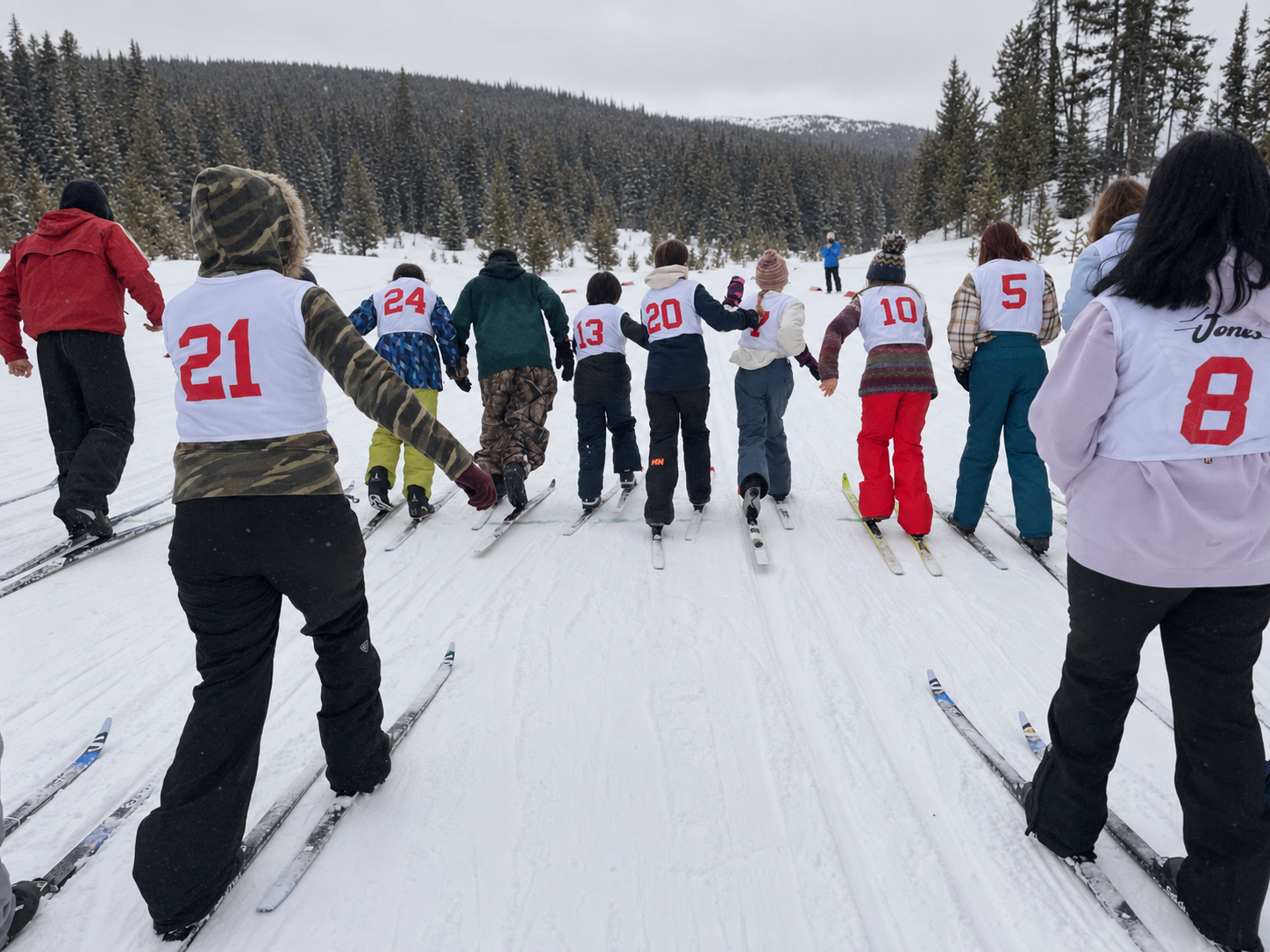
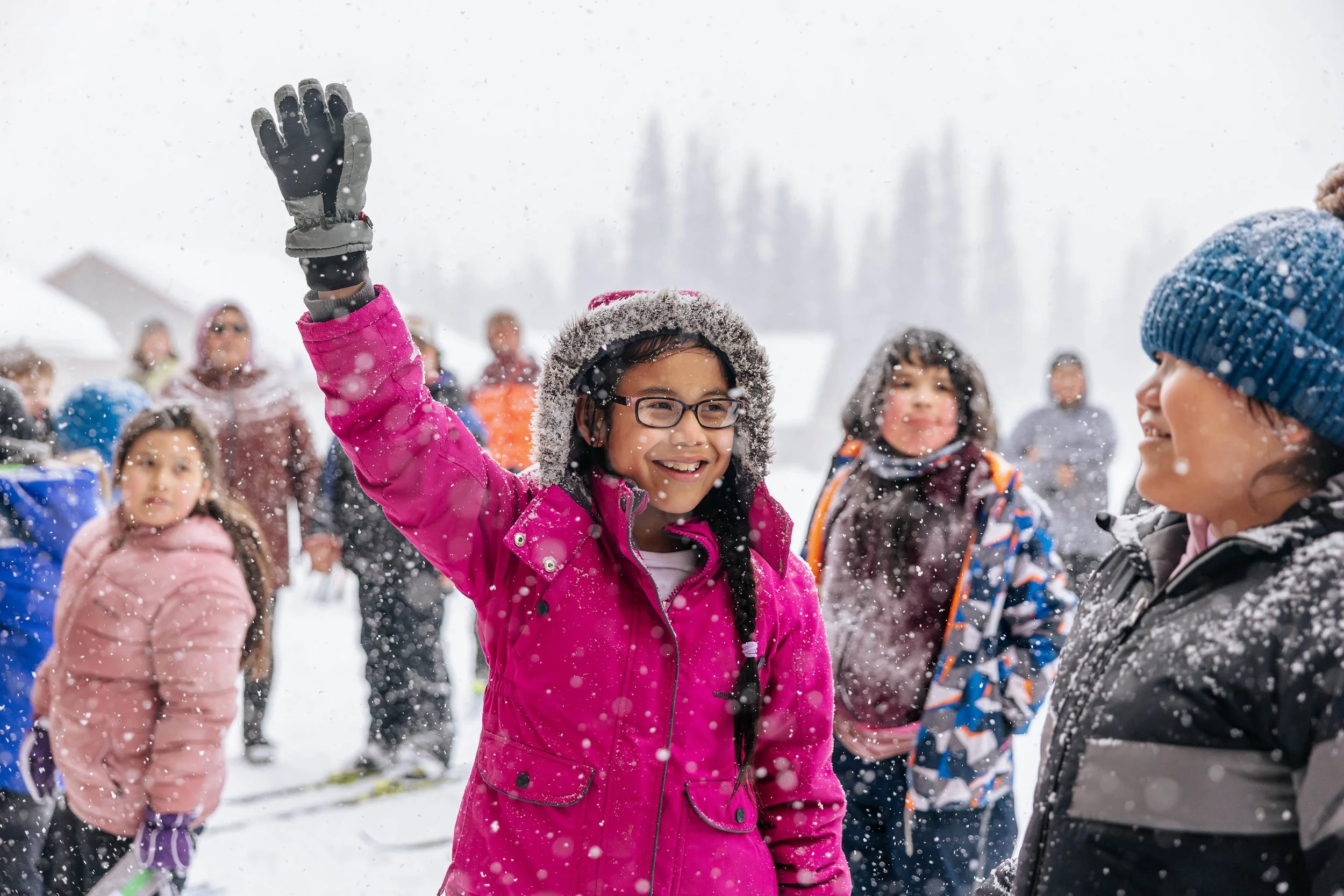
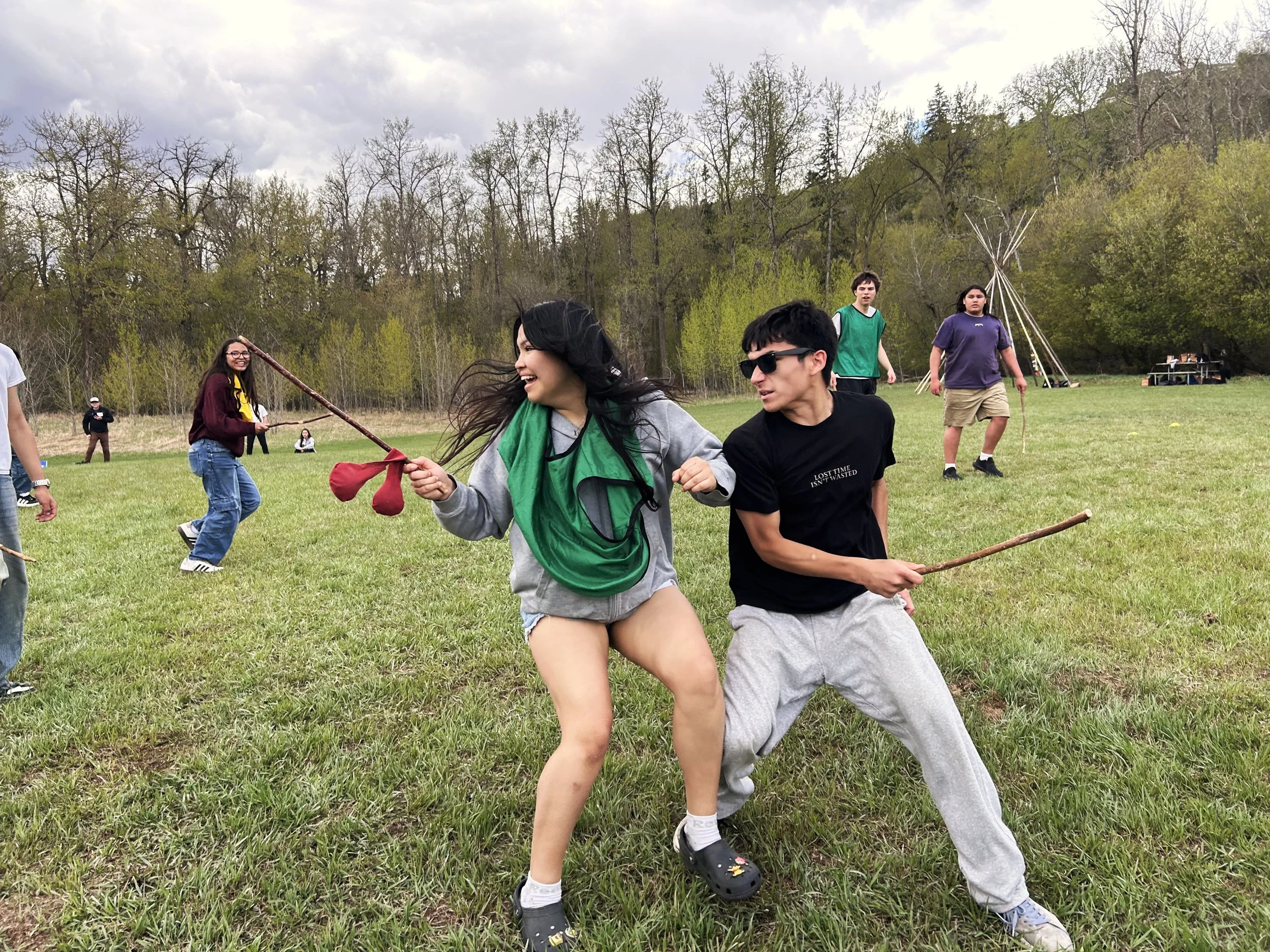
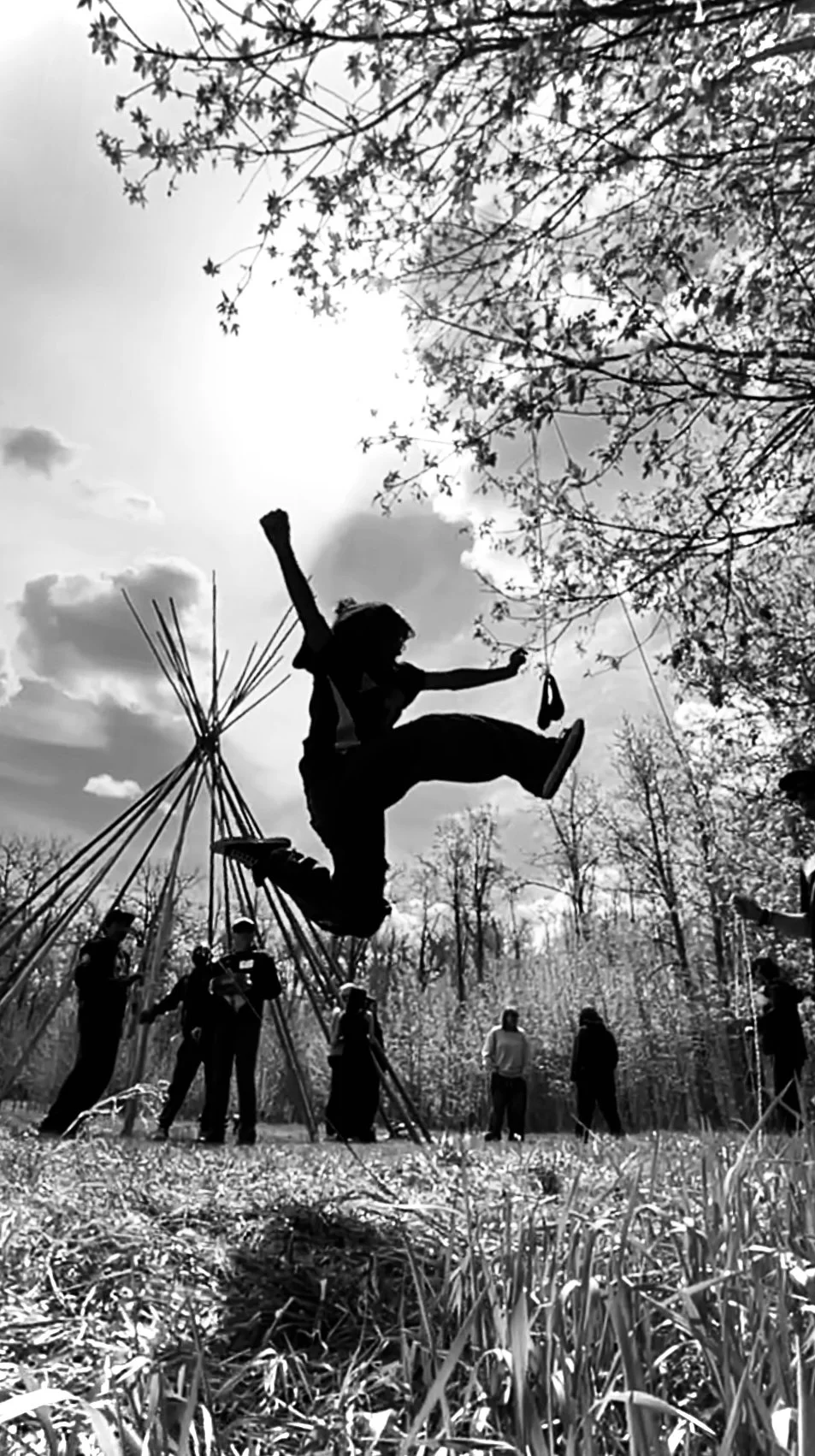
Each winter, Spirit North hosts Festival Days across Turtle Island, collaborating with Indigenous communities to gather and participate in traditional games, winter games, food and cultural activities.
This year, we held 16 festivals from Smithers to Sudbury.
Spirit North’s annual festivals are about more than sport; they’re about being together on the land. Every festival is a collective effort, made possible by our team leaders, volunteers, sponsors, donors, community members, and Elders coming together to create joyful, inclusive spaces where connection can grow.
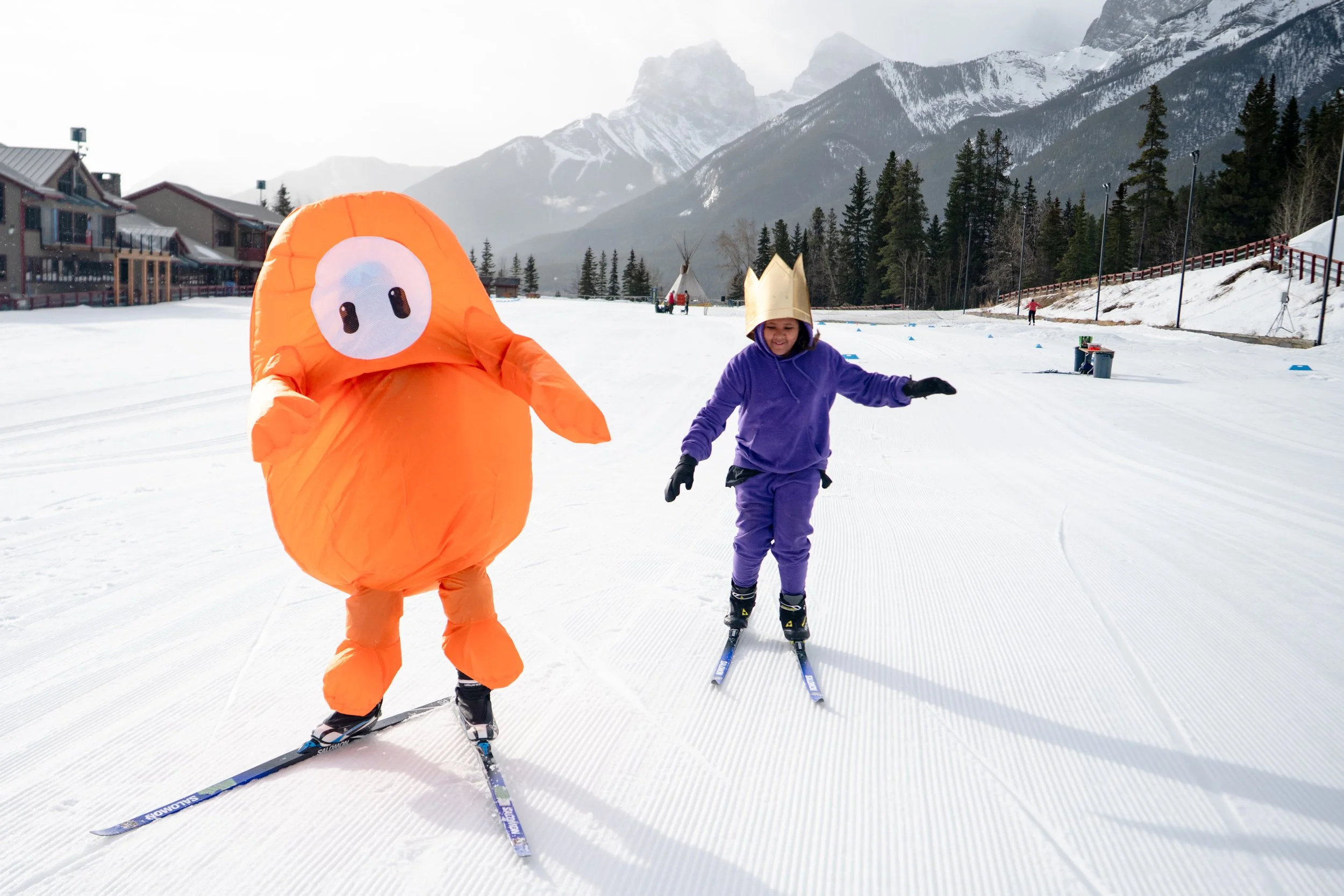
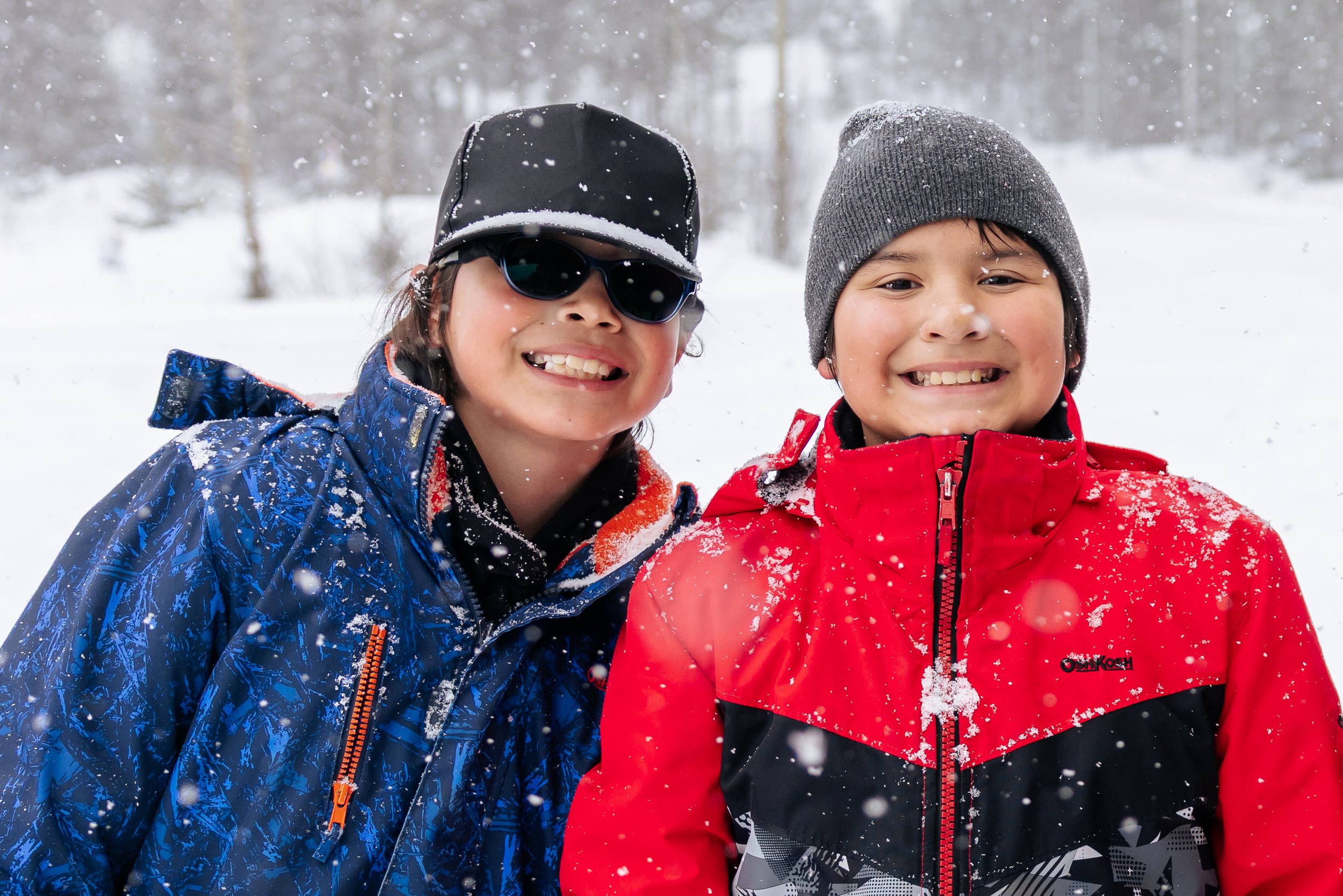
“Whether Indigenous or non-Indigenous coaches, they’re also human beings. They’re able to form relationships with the kids and people in those communities, and I think that’s the best thing about Spirit North.”
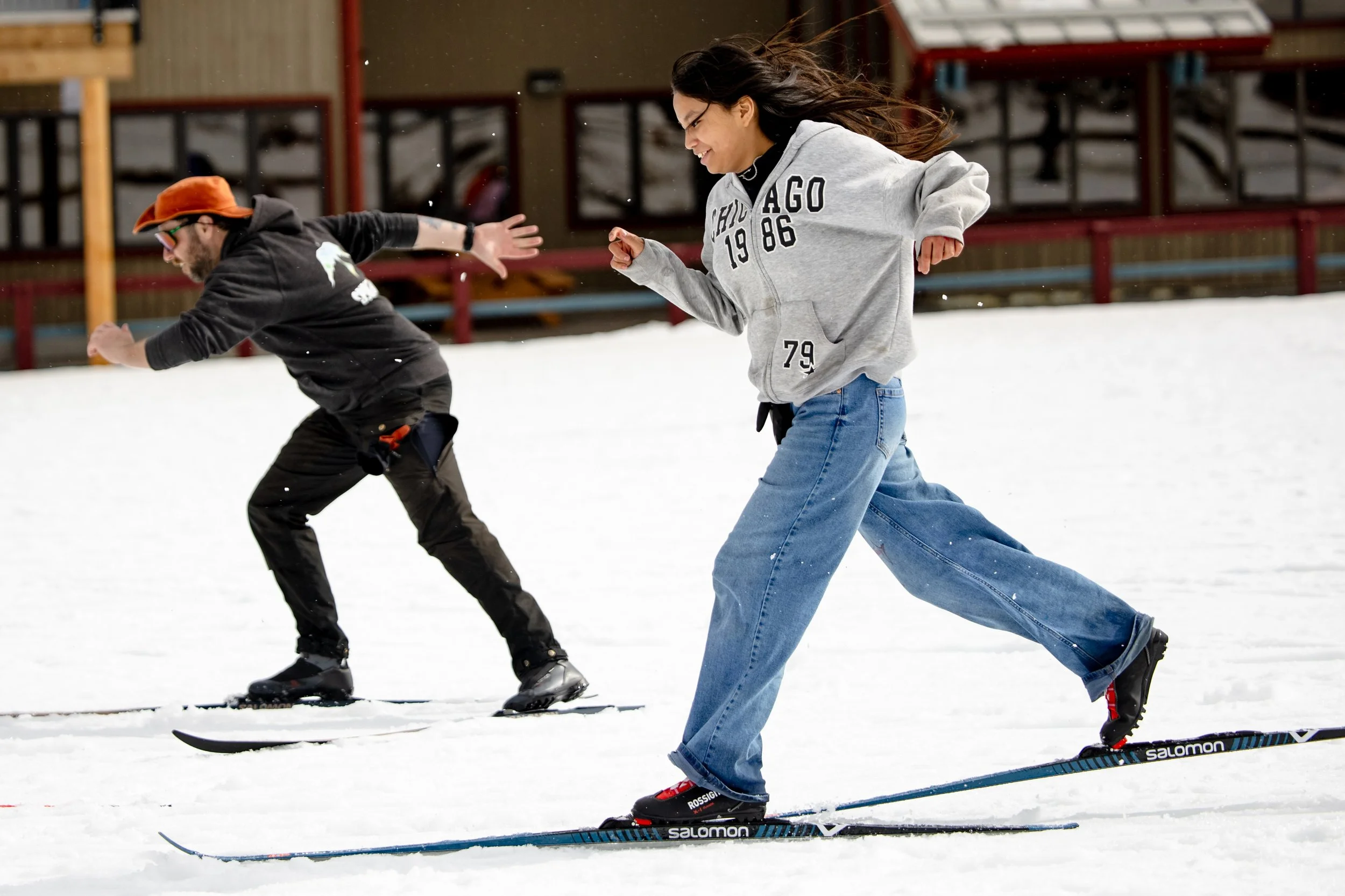
Special thanks to Inter Pipeline, Canadian Race Relations Foundation, and West Fraser Mills for their generous support of our 2024-25 Festivals season!
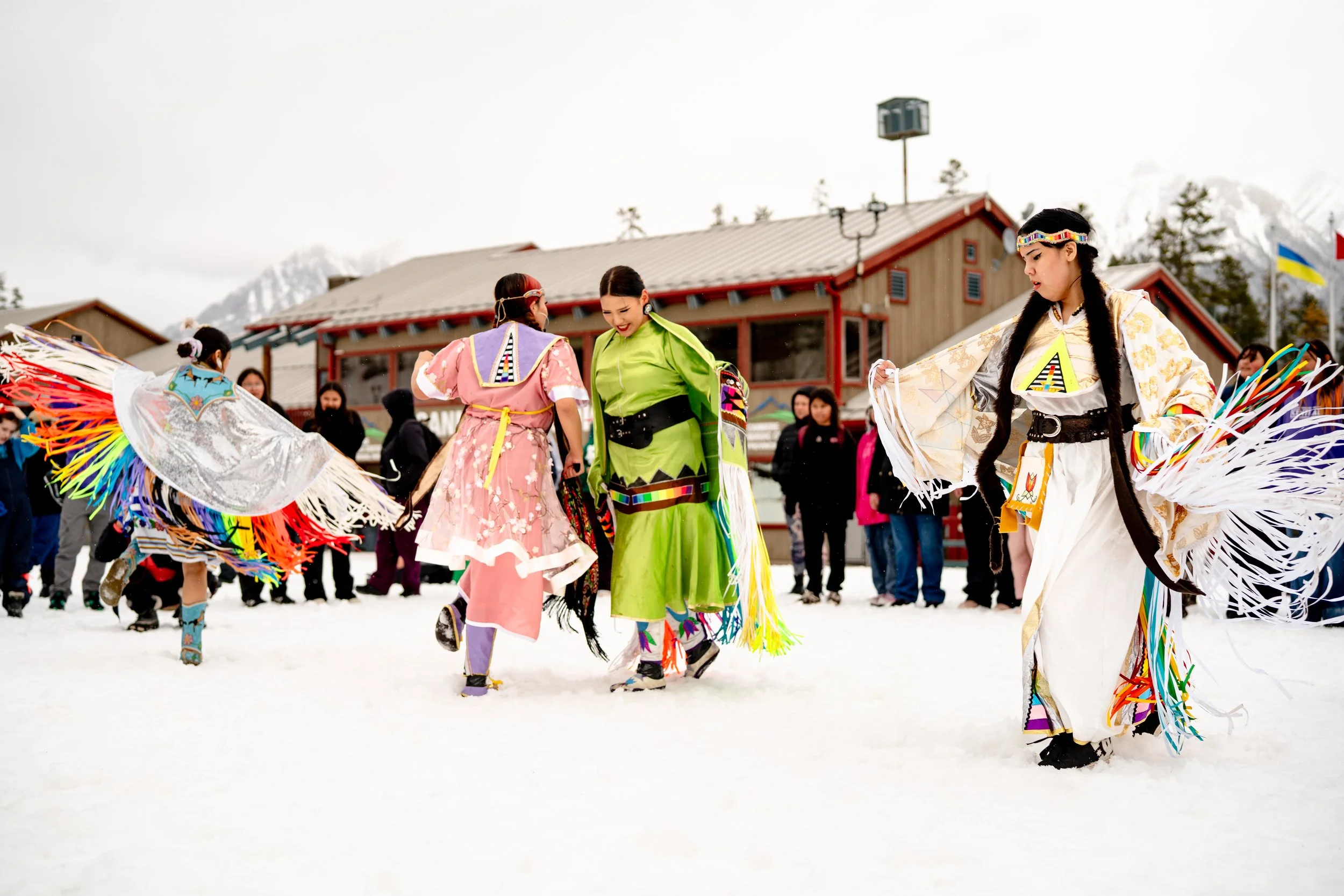
Volunteers from Landmark Cinemas, Sun Life, TC Energy, TD Bank, SLB, Inter Pipeline, and Canmore Rotary Club at this year’s Canmore Festival.
COLLECTIVE PURPOSE
None of this work belongs to Spirit North alone. It's held up by our community allies, donors, and partners who believe in Indigenous youth leading active, healthy lives filled with pride in their culture and identity, inspired and led by their own communities.
This year, that shared commitment showed up in campaigns and partnerships across the country: the new U200 Campaign, Watch to Give Back, Landmark Cinemas, Canada's Great Kitchen Party, Rogers Birdies, and our Toque and Glove Campaigns, among others. Each one is a reminder that this work is carried forward by many hands, not one organization.
Thank you to everyone who walked alongside us this year.
PREMIER PARTNERs

National Partners



Official Partners





Supporters of Spirit North



Friends of Spirit North
CAF America (Nike N7), Calgary Flames Foundation
Canada Post Community Foundation
CDE Engineering Ltd.
CN
The Daniel Family Foundation
Inter Pipeline Ltd.
National Winter Sport Development Association (NWSDA)
SLB
S. M. Blair Family Foundation
The Winnipeg Foundation